Here’s the thing—water is one of those basic essentials we rarely question. It’s there when you wash your hands, boil pasta, make your morning coffee, or hop in the shower after a long day. But not all water is created equal. And depending on where you live or how your home is set up, your water might be quietly causing problems you haven’t even connected the dots on yet.
Rust stains in the sink? Weird taste in your glass? Dry skin after every shower? Yeah… that’s your water talking.
So let’s unpack this. Let’s talk about the real value of drinking water solutions, the reality of dealing with well water, and why trusting your neighborhood handyman for plumbing just doesn’t cut it when it comes to installation & repairs of water systems.
What’s Really in Your Glass?
You’d think by now, in the year we’re living in, clean drinking water would be a non-issue. But the truth is, even treated municipal water often contains chlorine, sediment, or trace metals that most people wouldn’t feel comfortable pouring into their favorite coffee mug—if they actually knew what was in it.
Now, this isn’t fear-mongering. It’s just facts.
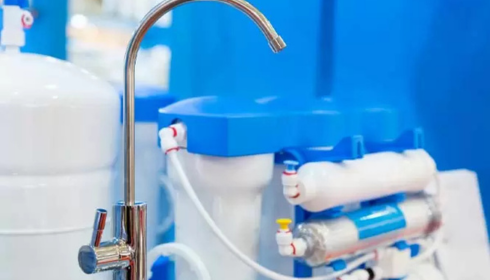
That’s where drinking water solutions come into play. Whether it’s a point-of-use filter under the sink or a high-tech reverse osmosis setup, these systems are more than just gadgets—they’re everyday peace of mind. Good filtration doesn’t just improve taste (though you’ll absolutely notice that), it also reduces long-term exposure to stuff that really shouldn’t be in your body.
Think of it this way: you wouldn’t keep eating food that gave you mild nausea every day, right? So why keep drinking water that leaves your stomach—or conscience—feeling off?
The Untold Truth About Well Water
Now, if you’re not on city water and rely on a well, you’re in an entirely different ballgame. Well water isn’t filtered or treated by anyone but you. It’s your responsibility. And while it can be great—natural, mineral-rich, and free from chlorine—it can also come with its own set of headaches.
Bacteria. Iron. Sulfur smells. Nitrates. Hardness. Even arsenic in some cases.
That’s why well water treatment isn’t just a good idea—it’s essential. One-size-fits-all doesn’t cut it here. Every well is different, and the solution needs to match the specific chemistry of your water source. That might mean sediment filters, softeners, UV disinfection, or a mix of all three.
And let’s be real—well water can make or break a house sale. A good treatment system isn’t just about comfort, it’s about property value.
When It’s Not a DIY Job (and That’s Okay)
Let’s switch gears. Say you’ve decided to upgrade your home’s water system. You’ve done your research, picked your equipment, maybe even ordered it online. Now what?
This is the part where a lot of homeowners get stuck. Because installation isn’t like assembling a bookshelf. It involves plumbing, sometimes electrical work, and a pretty clear understanding of how your home’s water flows. And honestly? One wrong move can create a mess—literally.
That’s where professionals who specialize in installation & repairs come in. They don’t just hook things up and walk away. They test water pressure, make sure the system is working as it should, and troubleshoot on the fly. They’ll notice things you wouldn’t—like that leaky valve you didn’t think was a problem or the outdated pipe that’s quietly corroding under your sink.
It’s about more than just doing the job—it’s about doing it right.
Why This Matters More Than You Think
Clean water isn’t just about hydration. It’s about health, hygiene, and home maintenance.
Think about it: poor water quality can lead to pipe corrosion, damaged appliances, itchy skin, and even long-term health effects. And on the flip side? When your water’s dialed in, life just feels smoother. Clothes come out cleaner. Hair feels softer. You use fewer cleaning products because you’re not fighting hard water residue all the time.
It’s like switching from dial-up to high-speed internet. Once you experience the difference, there’s no going back.
The Bottom Line: Take Control of Your Water
Look, no one’s saying you have to overhaul your entire water system overnight. But start somewhere. Get your water tested. Talk to a pro. Ask questions.
Find out if your tap water is helping you—or quietly working against you. Consider your location, your water source, your lifestyle. Then choose the setup that fits.
Whether that means investing in trusted drinking water solutions, planning a smart well water treatment strategy, or finally getting those installation & repairs handled by someone who knows what they’re doing, the end result is the same:
Better water. Better life.
Final Sip (Pun Intended)
You might not think about your water until there’s a problem. But the best time to act isn’t when your skin starts itching or your dishwasher gives up—it’s now. Prevent the mess, protect your family, and add a little calm to your daily chaos by giving your water the attention it deserves.