I grew up in a place where the tap water always had this faint, metallic taste. Not unbearable, but enough to make you wonder what exactly was flowing through those old pipes. Back then, water was just water—you drank it, cooked with it, maybe complained about it. But now? Now we know better. We test, we filter, we soften, we condition. Because it’s not just about taste. It’s about health. About longevity—of both appliances and people.
And that’s where the story of water treatment, and the folks who do it best, gets interesting.
The Curious Case of “Hard” Water
If you’ve ever noticed white spots on your dishes, dry skin after a shower, or scale buildup in your kettle, you’ve probably dealt with hard water. It’s loaded with minerals like calcium and magnesium—great for rocks, not so great for your plumbing or your skin.
You see, hard water doesn’t just annoy you. It slowly erodes your appliances, clogs your pipes, and makes soaps and shampoos work overtime. That’s not just an inconvenience. It’s an expense. It’s inefficiency. And over time, it adds up in repairs, product waste, and even health issues.
That’s why more and more people are turning to a trusted water conditioning company—to bring balance back to what flows from the tap.
What Exactly Does a Water Conditioning Company Do?
Let’s demystify the title a bit. A water conditioning company doesn’t just sell you a fancy filter and disappear. The good ones? They assess your home’s water quality from the ground up—literally. They run tests, look at mineral content, evaluate flow rates, and design solutions tailored to your specific problems.
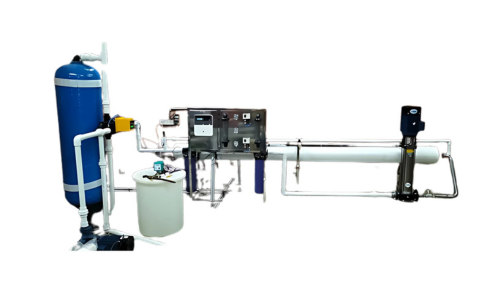
That could mean a softener system to reduce mineral buildup, reverse osmosis filters to handle contaminants, or UV systems to kill bacteria and viruses. It’s not a one-size-fits-all business. The real pros take time to understand your water and your needs before recommending anything.
Why Water Softening Isn’t Just About Comfort
Soft water feels luxurious, sure. It makes your skin softer, your clothes last longer, and your coffee taste better. But the bigger value lies in what you don’t see: longer appliance lifespan, reduced plumbing repairs, and even lower energy bills.
Hard water forces your water heater to work harder. Scale buildup inside pipes narrows flow and wastes pressure. Over time, that inefficiency hits both your wallet and your peace of mind. So, softening isn’t a luxury—it’s smart living.
And that’s what drew me to aqua tek, a company that doesn’t just sell equipment—they educate. They’re not pushing product; they’re solving problems. That’s a philosophy I wish more businesses adopted.
The People Behind the Pipes
There’s something genuinely reassuring about dealing with a team that knows their stuff. Whether it’s a family-run outfit or a local technician who’s seen every type of rust-stained toilet and salt-bridged softener tank imaginable, the human element makes all the difference.
I had a technician once who spent 45 minutes explaining how our system worked—without upselling me anything. He wanted me to understand it, to feel empowered by it. That moment stuck with me. It wasn’t just about clean water. It was about trust.
And when you Google water softening equipment supplier near me, that’s what you’re really looking for—not just proximity, but reliability. People who won’t vanish after installation. Folks who answer the phone when something leaks. Companies that care whether your kid is drinking clean water.
Eco-Conscious Choices Are In
Another angle that doesn’t get talked about enough? Sustainability.
Old softener systems used a lot of salt and water. But the newer models? They’re smarter, leaner, and greener. High-efficiency water softeners regenerate only when needed. Some use alternative media that reduces environmental impact.
And water conditioners that integrate carbon filtration or use template-assisted crystallization (yeah, it’s a thing) don’t just soften—they condition without wasting water or adding salt to the ecosystem.
We’re not just talking about healthier homes. We’re talking about a healthier planet.
It’s Not All Perfect—Let’s Be Real
Look, not every water conditioning experience is sunshine and spotless faucets. Some systems are too bulky, some companies are too salesy, and sometimes it just takes trial and error to find what really works for your home.
But isn’t that life? You don’t stop brushing your teeth just because your toothbrush didn’t have Bluetooth syncing, right?
Point is: don’t let perfectionism stall your progress. Even a basic softening setup can make a huge difference. Don’t wait until your pipes are crusted shut to act.
The DIY Temptation (and Why You Might Regret It)
I get it. There’s a certain pride in tackling home improvement on your own. Watching YouTube videos, buying tools you’ll never use again, getting halfway through before realizing you’re knee-deep in fittings and filter cartridges.
Water systems aren’t IKEA furniture. A misstep can mean leaks, contamination, or worse—damage to the very things you were trying to protect. Sometimes, hiring a pro isn’t an expense. It’s an investment in peace of mind.
That’s why I always suggest at least consulting a specialist before you commit. Many offer free evaluations or low-cost assessments. It’s worth it.
Final Thoughts: It All Flows Together
Clean water isn’t just a checkbox on your utility bill. It’s something that touches every part of your life—how you feel, what you cook, how your appliances run, and even how confident you are letting your kids fill up a glass from the kitchen sink.
The world of water conditioning is deeper than you think. It’s technical, yes—but also profoundly personal. Whether you’re fixing hard water problems or simply trying to improve your home’s eco-footprint, there are solutions out there that make a real difference.
And if you’re lucky enough to work with the right water conditioning company, the process doesn’t feel like a sale—it feels like self-care. For your house. For your health. For your family.