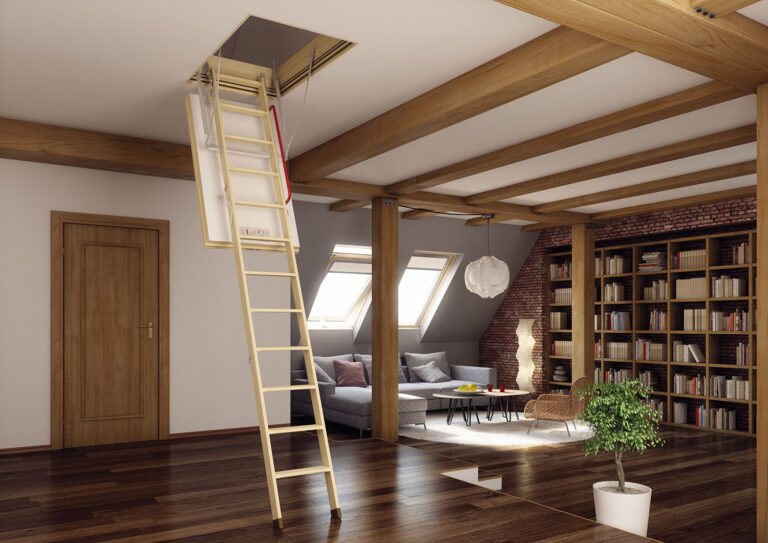
There’s a strange moment that happens in long-lived homes. You walk through the hallway you’ve walked through a thousand times, glance at the walls, the flooring, the light filtering in through familiar windows—and something feels slightly off. Not broken. Not dramatic. Just… outdated. Or disconnected from who you are now.
Homes age, sure. But more often, it’s we who change.
Careers shift. Families grow. Hobbies evolve. The house that once fit perfectly can start to feel like a jacket that’s a size too small—or maybe just the wrong style altogether. That’s usually when the idea of renovation quietly enters the conversation.
Not to impress the neighbors. Not to chase a design trend. But to make the space feel aligned again.
Renovation Isn’t Just Construction—It’s Personal
A thoughtful custom home renovation isn’t about tearing down walls for the sake of drama. It’s about reshaping space around real life.
Maybe the kitchen is isolated from the living room, making gatherings feel disconnected. Maybe a spare bedroom sits unused while you’re working from the dining table every day. Or maybe the layout simply doesn’t flow the way modern living demands.
Renovation, when done intentionally, addresses these friction points. It asks: How do you live? How do you want to live? And what physical changes would support that vision?
Sometimes that means removing walls. Other times, it’s subtle—expanding a doorway, repositioning windows, or adding smarter storage. The beauty of custom work is flexibility. It’s tailored, not templated.
And that’s where it starts to feel meaningful.
Design That Reflects Who You Are
Once structural changes are considered, attention shifts toward atmosphere. Materials. Colors. Lighting. Texture.
This is where interior design moves from surface-level styling into something more layered. It’s not just about choosing a paint color that’s trending on social media. It’s about understanding how tones influence mood, how natural light interacts with finishes, and how furniture placement affects movement.
A well-designed home doesn’t shout. It feels cohesive. Intentional. Comfortable.
Think about how different spaces affect your mindset. A cluttered room can feel overwhelming. A bright, airy space feels calming. Warm wood tones create comfort. Cool tones can create clarity.
Good design doesn’t fight the architecture—it enhances it.
Planning Is the Quiet Hero
Here’s something many homeowners underestimate: renovation success hinges on preparation.
Solid project planning prevents budget blowouts, timeline delays, and unnecessary stress. It’s the blueprint behind the beauty.
Planning means defining scope clearly. Deciding where to invest and where to simplify. Anticipating structural challenges, especially in older homes. Building in a contingency buffer for surprises—because there are almost always surprises.
It also means aligning expectations. Clear communication between homeowners, designers, and contractors reduces misunderstandings down the road.
The projects that feel smooth often aren’t simpler—they’re better organized.
Budgeting With Clarity, Not Fear
Renovation budgets can feel intimidating. Costs vary widely depending on materials, labor, and the complexity of changes.
But budgeting doesn’t have to feel overwhelming.
Start by identifying priorities. Is expanding living space more important than high-end finishes? Would energy-efficient upgrades provide long-term savings? Is resale value part of the equation?
Sometimes investing more upfront saves money later. Other times, restraint keeps the project grounded.
The key is clarity—not impulse.
The Emotional Impact of Space
What often surprises people is how deeply renovation affects emotional well-being.
When a space functions smoothly, stress decreases. Morning routines become easier. Entertaining feels less chaotic. Even downtime feels more restorative.
It’s subtle. But real.
I’ve seen families who avoided hosting gatherings suddenly open their doors again after a renovation. I’ve watched homeowners rediscover rooms they once ignored.
A house that fits your lifestyle doesn’t just look better—it feels better.
Trends vs. Timelessness
There’s always temptation to follow design trends. Bold tile patterns. Dramatic lighting fixtures. Statement walls.
Trends can be inspiring, but they shouldn’t dominate decision-making. A home should feel relevant five or ten years from now—not just today.
Timeless elements—natural materials, balanced proportions, thoughtful lighting—age gracefully. Trend-driven accents can be layered in without overwhelming the foundation.
Balance matters.
Renovation as Reinvention
At its core, renovation is about possibility.
It’s the opportunity to adapt rather than relocate. To reshape rather than start over.
Sometimes moving makes sense. But often, the bones of a home are solid. They just need refinement. Reimagining.
And there’s something satisfying about honoring a home’s history while updating it for modern life.
Final Thoughts: Making Space for Who You’ve Become
Homes aren’t static. They evolve alongside us.
A renovation done thoughtfully isn’t about perfection. It’s about alignment—between space and identity.
When your home reflects who you are today, something shifts. Rooms feel lighter. Routines feel easier. There’s less friction in everyday life.
And maybe that’s the real goal—not just a prettier house, but a place that supports the way you live now.
Because at the end of the day, renovation isn’t just construction.
It’s transformation.