
Most of us don’t think about water until it starts misbehaving.
It’s there when we brush our teeth, brew coffee, rinse vegetables, or unwind in the shower. It’s background noise — steady, dependable. But every now and then, something feels off. A cloudy glass. A faint metallic taste. Soap that just won’t lather the way it should.
Water has a quiet way of signaling when it needs attention.
When Minerals Leave Their Mark
One of the most common household water issues is hard water. It’s not dangerous. In fact, those dissolved minerals — mainly calcium and magnesium — occur naturally as water travels through soil and rock. But while they may be harmless to drink, they’re not exactly kind to plumbing.
Hard water leaves scale behind. It builds up around faucets and showerheads. It creeps into water heaters and dishwashers. Over time, that buildup can reduce efficiency and even shorten appliance lifespan.
You might notice towels feeling stiff after washing. Or spots on dishes that never quite disappear, no matter how careful you are with detergent. These are small annoyances, but they add up.
Addressing hardness often starts with testing. Once you know your mineral levels, you can decide whether softening makes sense for your home. For many families, reducing hardness isn’t about luxury — it’s about protecting the systems they rely on daily.
The Invisible Side of Water
Hardness is visible. Scale leaves clues.
But other water concerns aren’t so obvious.
Depending on your source — municipal or well — your water may contain trace levels of contaminants such as chlorine byproducts, iron, nitrates, or even organic compounds. Most public water systems follow strict safety standards, but “safe” doesn’t always mean optimized for taste or comfort.
Chlorine, for example, plays an important role in disinfecting water. Yet some homeowners notice its taste or smell. Iron can cause reddish staining. Sediment may cloud the water after heavy rains.
The key here isn’t panic. It’s awareness.
A proper water analysis provides clarity. Once you understand what’s present, solutions become targeted rather than speculative.
Why Filtration Isn’t One-Size-Fits-All
There’s a tendency to assume that one system can solve everything. But water treatment works best when it’s tailored.
If hardness is your main concern, a softener addresses mineral buildup. If chlorine taste bothers you, activated carbon can improve flavor. If sediment is visible, pre-filtration may be enough.
The goal is efficient filtration — not overcomplication.
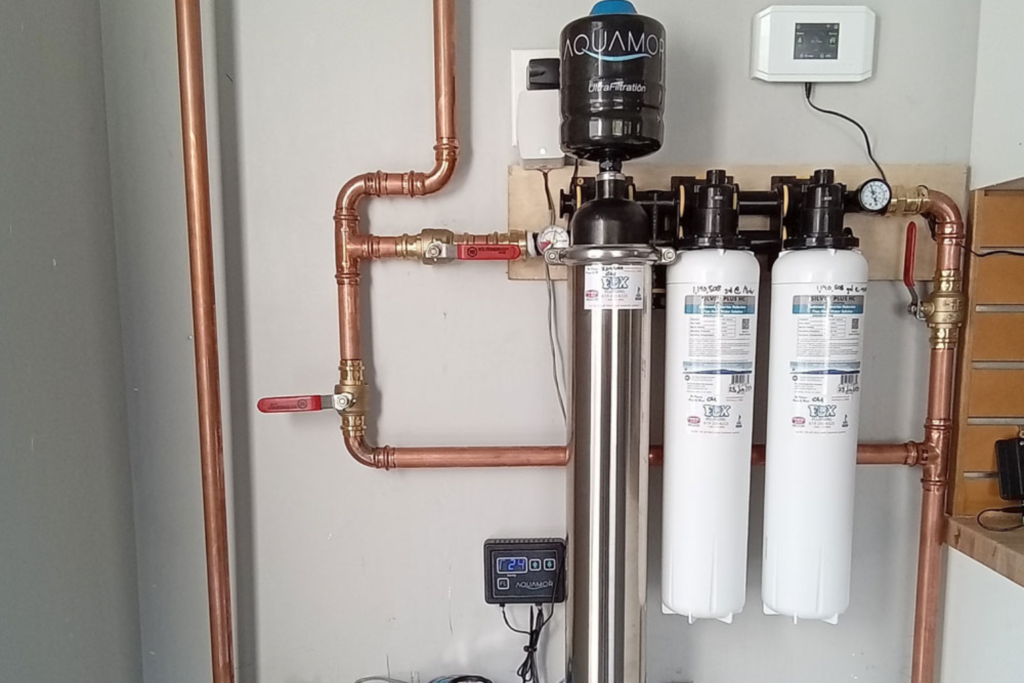
Efficient systems remove what’s necessary without stripping water of beneficial properties or wasting excess resources. Modern filtration units are designed to operate with minimal maintenance and optimal flow rates, ensuring you don’t sacrifice water pressure in pursuit of purity.
And sometimes, less is more. A well-chosen filter can outperform an overly complex setup that requires constant upkeep.
The Balance Between Protection and Practicality
Improving water quality doesn’t mean turning your home into a laboratory. It means finding balance.
Start by identifying the problem. Notice patterns. Are appliances struggling? Is soap residue harder to rinse away? Does your drinking water taste inconsistent?
From there, testing provides direction.
Many homeowners are surprised to learn that their issues stem from one dominant factor rather than multiple hidden threats. Others discover minor imbalances that can be corrected with relatively simple adjustments.
Either way, decisions grounded in data feel better than guesses.
Maintenance: The Often-Ignored Factor
Installing a filtration or softening system isn’t the end of the story. It’s the beginning of a relationship with your water.
Filters need replacing. Salt needs refilling. Systems benefit from periodic inspections. Skipping maintenance won’t necessarily cause immediate failure — but performance may gradually decline.
The good news? Modern systems are designed to simplify this process. Indicator lights, reminder alerts, and straightforward cartridge replacements make upkeep manageable.
A little consistency goes a long way.
Long-Term Benefits You Might Not Expect
When water quality improves, the benefits ripple outward.
Appliances often run more efficiently. Heating elements remain cleaner. Plumbing components experience less wear. You may even find yourself using fewer cleaning products because soap performs better.
There’s also an environmental dimension. Reducing scale can lower energy consumption. Improving drinking water quality may reduce reliance on bottled water.
None of these changes are dramatic on their own. But over time, they accumulate.
Listening to Your Home
Your house has a way of communicating. Scale around fixtures. Reduced water pressure. Subtle changes in taste.
These aren’t nuisances to ignore. They’re information.
Instead of reacting only when something breaks, consider viewing water improvement as preventative care. Just as you service a car before it fails, you can optimize water systems before damage occurs.
It’s less stressful. And often less expensive.
Final Thoughts
Water doesn’t ask for attention, but it deserves a little of it.
Understanding the role of hardness, recognizing the presence of contaminants, and choosing efficient filtration tailored to your home can quietly transform daily routines.
You don’t need to chase every trend or install every available system. You simply need to know your water — and respond thoughtfully.
Because when your water works with you rather than against you, life feels just a bit smoother.
And sometimes, that small shift makes all the difference.