
There’s a strange kind of silence in a home when everything works exactly as it should. Water flows, drains disappear quietly, and nothing demands your attention. But the moment something shifts—a drip, a faint hiss, a stubborn clog—that silence breaks. And suddenly, you’re listening.
Plumbing has its own language. It doesn’t shout right away. It whispers first.
The Subtle Signs Most People Miss
A lot of homeowners don’t realize how early plumbing issues actually begin. It’s rarely a dramatic burst pipe out of nowhere. More often, it starts with small, almost forgettable things. A tap that doesn’t close tightly. A patch of wall that feels just a bit damp. Maybe a slight drop in water pressure that you shrug off because… well, life is busy.
But these little signals? They matter more than we give them credit for.
That’s where plumbing diagnostics becomes incredibly useful. It’s not just about fixing what’s broken—it’s about understanding what’s happening behind the scenes. A trained eye (and sometimes a bit of modern tech) can pick up on patterns that most of us would never notice. And catching problems early? That’s half the battle won.
Why Guesswork Rarely Works
There’s a temptation, especially now with endless DIY videos online, to try and figure things out yourself. And to be fair, some minor issues can be handled that way. Tightening a loose fitting or unclogging a simple drain isn’t rocket science.
But plumbing systems are interconnected in ways that aren’t always obvious. Fix one thing incorrectly, and you might create a bigger issue somewhere else.
I once knew someone who tried to patch a leaking pipe with a temporary fix—something he saw online. It worked… for a week. Then the pressure built up, and the leak returned, worse than before, causing damage to the flooring. What could have been a quick repair turned into a costly mess.
When a Pipe Needs More Than a Quick Fix
Not all plumbing issues can be patched over. Sometimes, the problem runs deeper—literally.
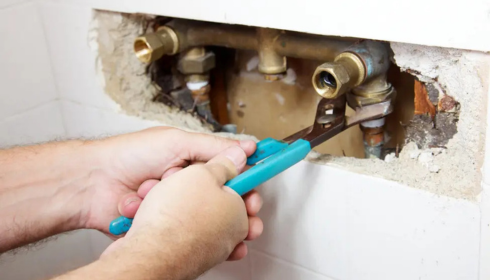
Corrosion, cracks, shifting foundations, or even old materials reaching the end of their lifespan can all lead to situations where pipe repair becomes necessary. And this isn’t always about replacing an entire system. In many cases, targeted repairs can restore functionality without tearing everything apart.
Still, it’s a delicate process. Knowing where to cut, how to seal, and ensuring the integrity of the rest of the system requires a level of precision that comes with experience. It’s less about brute force and more about understanding the structure as a whole.
Water Has a Way of Finding Its Path
Leaks are tricky. They don’t always show up where you expect them to. Water travels. It seeps, spreads, and sometimes hides in places you’d never think to check.
A damp ceiling might actually be caused by a pipe two rooms away. That’s what makes leaks so frustrating—they’re not always honest about their origin.
This is where leak detection solutions come into play. With tools like thermal imaging, acoustic sensors, and moisture meters, professionals can pinpoint the source without unnecessary damage. It’s a bit like detective work, following subtle clues until the real issue reveals itself.
And honestly, it’s fascinating how far technology has come in this space. What used to require guesswork and wall-breaking can now often be handled with minimal disruption.
The Cost of Waiting Too Long
If there’s one common thread in most plumbing disasters, it’s delay.
People wait. They hope the problem will go away. Or at least not get worse. And sometimes, for a while, it seems like it won’t.
But water is persistent. Given enough time, even a small leak can weaken structures, encourage mold growth, and lead to repairs that are far more expensive than the original issue.
It’s not about fear—it’s about awareness. Acting early doesn’t just save money; it saves time, effort, and a lot of unnecessary stress.
Not Every Solution Needs to Be Complicated
Here’s the good news—not every plumbing issue turns into a nightmare.
In fact, many problems, when caught early, are surprisingly straightforward to fix. A worn-out washer, a minor blockage, a loose joint—these are all manageable with the right approach.
The key is balance. Knowing when something is simple and when it’s not. And being honest with yourself about what you can handle versus when it’s time to call in help.
Building a Relationship with Your Home
It sounds a bit strange, maybe, but understanding your plumbing is part of understanding your home.
Pay attention to how things sound. Notice how long it takes for water to heat up. Be aware of any changes, no matter how small they seem. These observations build familiarity, and familiarity makes it easier to spot when something’s off.
Your home, in a way, communicates. Plumbing just happens to be one of its quieter voices.
A Final Reflection on What We Often Overlook
We tend to focus on what we can see—paint colors, furniture, lighting. But it’s the hidden systems, like plumbing, that keep everything running smoothly.
And maybe that’s why they deserve a bit more attention. Not in a constant, worrying kind of way—but in a thoughtful, proactive one.
Because when you listen closely, those quiet whispers—drips, hums, subtle shifts—are telling you something.
The trick is learning to hear them before they turn into something louder.

