
It’s one of those things you don’t think about until you have to — the water in your home. Maybe your dishes come out of the dishwasher spotty no matter what you try. Or your skin feels tight after every shower. Or your white laundry looks more… dingy beige. You shrug it off at first. Maybe it’s the soap. The weather. The detergent. But more often than not, the culprit is your water itself.
Turns out, the stuff flowing through your pipes can carry more than just H₂O. And if you’ve got hard water, metals, or chemical residues in the mix, it’s not just annoying — it can be damaging.
Let’s break down a few common water woes and talk about real, approachable hard water solutions, as well as how to tackle things like iron and chlorine the right way.
So What Is “Hard” Water, Anyway?
Hard water sounds intense, but all it really means is that your water has a high concentration of minerals — mostly calcium and magnesium. These minerals aren’t dangerous to drink, but they’re rough on… well, everything else.
Here’s what hard water typically does:
- Builds up on faucets and showerheads as crusty white gunk
- Leaves streaks and spots on glassware
- Makes soap less effective (hello, endless rinsing)
- Dries out skin and hair
- Shortens the lifespan of appliances like water heaters and dishwashers
If that sounds familiar, you’re probably ready to explore some hard water solutions. The most common fix is a water softener — a system that swaps those hard minerals with something less abrasive, usually sodium or potassium. The result? Softer water that actually cooperates with your cleaning products and stops leaving a mess behind.
And no, you don’t need to go overboard. A compact softener or combination unit can often handle an entire household without turning your utility closet into a science lab.
When Your Water Runs Orange: The Iron Problem
Iron in your water is a bit of a sneaky villain. You might notice reddish stains in the tub, yellow-tinted laundry, or even metallic-tasting water. It’s not harmful in small doses, but it’s definitely not ideal.
There are different types of iron — dissolved (ferrous), oxidized (ferric), and even bacterial iron (yes, that’s a thing) — and each requires a slightly different approach. But the first step is getting your water tested so you know exactly what kind you’re dealing with.
Once you’ve got clarity, iron removal systems can work wonders. These range from oxidizing filters and water softeners with iron-specific resins to dedicated iron filtration units that remove the mineral before it ever hits your pipes. No more rusty rings in your toilet bowl. No more orange streaks on your clothes.
And perhaps best of all? Your water will taste better too. Especially if you’ve been avoiding that kitchen faucet for years.
Tired of That Pool-Side Smell? It Might Be the Chlorine
If your tap water smells like a public pool, it’s probably not your imagination. Municipal water systems often use chlorine or chloramine to disinfect water and kill bacteria — a good thing, no doubt. But by the time that treated water reaches your home, it can still carry a strong odor or taste.
And while safe in small doses, excess chlorine can be harsh on skin and hair, dry out your scalp, fade your clothes, and make coffee or tea taste “off.”
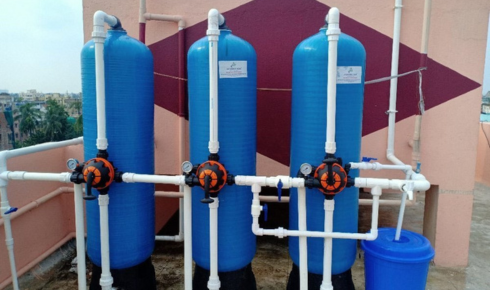
That’s where chlorine removal comes in. The easiest and most common method? Activated carbon filtration. It absorbs chlorine like a sponge, dramatically improving taste and smell. Whole-house carbon filters can treat every tap in your home, while under-sink or faucet-mounted options work well for kitchens or bathrooms.
It’s one of those upgrades you don’t realize you needed until you take your first chlorine-free shower. Then suddenly — it’s a game changer.
What to Expect (And What to Ask) When Upgrading Your Water
Here’s the honest truth: dealing with water issues feels overwhelming at first. It’s not like shopping for a toaster or picking a paint color. There are dozens of systems, options, and acronyms (GPG, TDS, NSF, oh my). And most homeowners don’t know where to start.
So let’s simplify:
- Test your water first. You need to know what you’re fixing.
- Identify your top problems. Stains? Odor? Dry skin? Scale?
- Start small if needed. A basic sediment or carbon filter might be enough.
- Choose long-term value. Don’t be afraid to invest in a good system — it pays for itself in saved soap, cleaner laundry, and less appliance maintenance.
Talk to a local water expert, not just an online retailer. And don’t fall for “one-size-fits-all” solutions. Your home’s needs are unique.
The Ripple Effects of Better Water
Here’s what people don’t always tell you about improving your water: it doesn’t just fix the symptoms. It transforms how you live day to day.
Your skin feels better. Your clothes look brighter. You stop cringing every time you wash your hands. And maybe, just maybe, you start drinking more water again — straight from the tap.
Whether you’re tackling hard water solutions, exploring systems for iron removal, or finally ready for chlorine removal, one thing’s clear: better water makes everything else a little easier.

