
Most of us don’t really think about water. It’s just… there. You turn a tap, it flows. You fill a glass, boil it for tea, rinse vegetables, run the shower—routine stuff, nothing dramatic. And yet, the moment something feels off, even slightly, you suddenly realize how deeply water affects everyday life.
Maybe it starts small. A faint metallic taste. A strange smell when hot water runs. Dry skin that lotion never seems to fix. These little annoyances tend to creep in quietly, and because they happen gradually, people often assume they’re normal.
But here’s the truth—water quality plays a much bigger role in comfort and health than most homeowners realize.
The Subtle Shift Toward Smarter Water Living
There’s been a quiet trend over the past few years. Not flashy or heavily advertised like smart TVs or voice assistants, but steady and meaningful. People are paying closer attention to their home water systems.
It’s partly because of awareness—more discussions around pollution, aging infrastructure, and environmental changes. But it’s also because technology has evolved in ways that make water management surprisingly simple.
A modern smart water system doesn’t just filter water; it monitors usage patterns, detects irregular flow, and sometimes even alerts homeowners before problems escalate. It’s a bit like having a silent caretaker working in the background.
And honestly, once installed, many people forget it’s even there—which, ironically, is the best sign that it’s doing its job well.
When “Looks Clear” Isn’t Enough
One of the biggest misconceptions about water is that clarity equals cleanliness. If water looks transparent and doesn’t smell strongly, people assume it’s perfectly safe.
But water can contain invisible impurities—dissolved minerals, microscopic particles, or chemical residues—that aren’t noticeable through sight or smell alone.
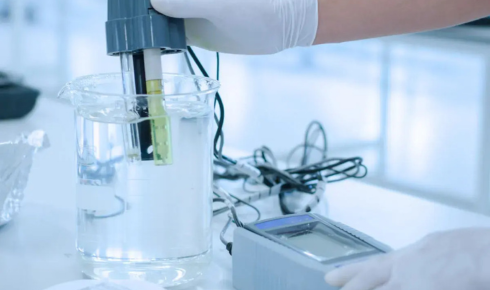
This is where a simple water quality test becomes incredibly valuable. It’s not complicated or invasive, yet it provides a surprisingly detailed snapshot of what’s actually present in your water supply.
Homeowners who test their water often describe a moment of quiet shock—not because the results are always alarming, but because they realize how much they never questioned before.
It’s a bit like getting a health check-up. You might feel fine, but understanding what’s happening beneath the surface brings clarity—and sometimes peace of mind.
The Reality of Hidden Contaminants
Water travels a long journey before reaching your home. Along the way, it passes through pipes, storage tanks, treatment facilities, and natural environments. Each stage introduces potential variables that can affect quality.
Some contaminants are harmless in small amounts, while others can cause long-term issues—affecting not just drinking water, but also skin health, appliance performance, and plumbing systems.
That’s why many households are exploring advanced filtration designed specifically for water contaminants removal. These systems target a wide range of impurities, from sediments and chlorine to heavy metals and chemical residues.
The result isn’t just safer water—it’s smoother, more pleasant water. The kind that tastes clean without effort and feels gentle during daily use.
The Everyday Impact You Don’t Expect
It’s interesting how quickly people adapt to improved water quality. After installation or filtration upgrades, homeowners often describe subtle changes that slowly become normal.
Laundry feels softer. Dishes rinse cleaner. Hair becomes less brittle. Cooking flavors improve slightly, almost imperceptibly, but noticeably over time.
These aren’t dramatic transformations. They’re small, consistent improvements that quietly enhance daily routines.
And maybe that’s why they matter so much.
The Emotional Side of Water Comfort
We don’t usually talk about water in emotional terms, but it’s deeply connected to our sense of security.
Think about it—clean water supports health, protects home infrastructure, and reduces the mental load of worrying about hidden risks. It provides reassurance that something essential in life is stable and reliable.
That kind of quiet confidence isn’t flashy. But it’s incredibly valuable.
Why Prevention Always Wins
One of the biggest lessons homeowners learn is that proactive water management is far easier—and far cheaper—than reactive repairs.
Testing water early, installing proper filtration, and monitoring system performance can prevent a long list of future issues. From plumbing damage to health concerns, prevention saves time, money, and stress.
It’s not about chasing perfection. It’s about avoiding unnecessary complications.
A Quiet Upgrade That Changes Everything
Unlike visible home renovations, improving water systems doesn’t change how your house looks. There’s no new décor to admire or dramatic before-and-after photos.
Instead, the impact shows up in daily life. Better-tasting drinks. Reduced maintenance hassles. Greater peace of mind.
And over time, those quiet improvements add up.
The Power of Simple Awareness
At its core, managing water quality isn’t complicated. It starts with awareness—understanding what flows through your home and how it affects everyday living.
Once people take that first step, whether through testing or upgrading systems, they often discover something unexpected: clean, reliable water doesn’t just support physical health.

