
It’s easy to take water for granted. You turn the tap, it runs. You fill a glass, brew your coffee, wash your hands, and move on with your day. Most of us rarely stop to think about what’s actually flowing through those pipes — until something feels off. A strange taste. A lingering odor. Scale on faucets that won’t scrub away.
Water has a quiet presence in our lives. It doesn’t ask for attention. But it touches everything.
From the way your skin feels after a shower to the performance of heavy-duty equipment in a factory, water quality shapes more than we notice. And when it’s not right, the ripple effects can be surprisingly wide.
The Everyday Reality of Residential Water
At home, water is personal. It’s what your kids drink after soccer practice. It’s what you cook pasta in on a Wednesday night. It’s what fills the tub after a long day when you just need to soak and breathe.
That’s why residential water systems have become more common — and more sophisticated — in recent years. Homeowners aren’t just looking for “safe enough.” They want water that tastes good, feels good, and protects their plumbing at the same time.
Hard water, for instance, can cause soap to lather poorly and leave mineral buildup inside pipes. Chlorine, while necessary for disinfection in municipal supplies, can create an unpleasant aftertaste. Sediment may cloud your glass or clog fixtures over time.
A well-designed home system can address these concerns with targeted filtration, softening, or even multi-stage treatment. It’s not about chasing perfection. It’s about improving the small daily experiences that add up.
There’s something deeply satisfying about pouring a glass straight from the tap and not thinking twice about it.
When Water Quality Impacts Business
Now shift the scene. Picture a restaurant kitchen during dinner rush. A hotel laundry room running nonstop. A manufacturing facility relying on precision equipment. Water quality here isn’t just about taste — it’s about performance, efficiency, and reputation.
That’s where commercial water solutions come into play. Businesses depend on consistent water quality to keep operations running smoothly. In restaurants, filtered water can enhance the flavor of beverages and protect ice machines from scale buildup. In healthcare facilities, high standards of purification are essential. In industrial settings, untreated water can damage machinery and increase maintenance costs.
The stakes are higher, and so are the systems.
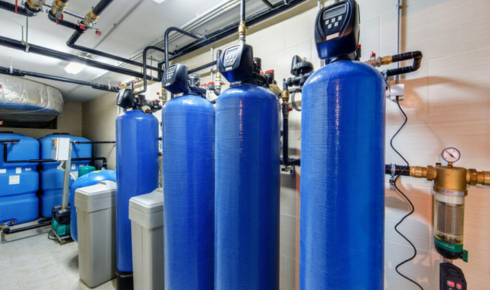
Commercial setups often include larger-scale filtration units, softening systems, or reverse osmosis technology designed to handle heavy demand. They’re engineered not only for purity but for durability and efficiency.
It’s interesting how water — something so ordinary — becomes such a critical business asset. When it works properly, no one notices. When it doesn’t, the consequences are immediate.
Clean Water Isn’t a Luxury
We throw the phrase around casually, but clean water is more than a marketing term. It’s foundational. It’s health, comfort, productivity, and sustainability all rolled into one.
In homes, it can mean fewer skin irritations, longer-lasting appliances, and less reliance on bottled water. In businesses, it can mean reduced downtime, better product quality, and improved customer satisfaction.
But achieving cleaner water doesn’t always require complex systems. Sometimes it starts with something simple — a water test. Understanding what’s actually in your water helps guide the solution. There’s no point installing equipment you don’t need, and there’s equal risk in ignoring an issue that could escalate.
Testing provides clarity. From there, treatment becomes intentional rather than reactive.
The Environmental Side of Better Water
There’s another layer to this conversation, one that’s easy to overlook. When water quality improves at the source, waste often decreases.
Think about how many plastic bottles are purchased because tap water doesn’t taste appealing. Or how frequently appliances need replacing because of mineral damage. Improving water quality at home or in a business can reduce both.
Filtration systems have come a long way. Modern designs focus on efficiency — minimizing water waste, extending filter life, and optimizing energy use. For businesses especially, sustainable water practices can align with broader environmental goals.
It’s not about perfection. It’s about incremental improvement. Small adjustments that lead to long-term gains.
Choosing the Right Approach
No two properties are the same. A downtown apartment may face different challenges than a rural farmhouse relying on well water. A coffee shop’s needs will differ from a manufacturing plant’s.
The key is customization. Understanding water source, usage patterns, and specific concerns allows for a solution that fits — not something generic or oversized.
For homeowners, that might mean installing a softener combined with carbon filtration. For a business, it could involve a high-capacity reverse osmosis system paired with pre-treatment filters.
And here’s the thing: good systems don’t need constant babysitting. With proper installation and routine maintenance, they quietly do their job in the background. Filters get replaced on schedule. Components get inspected. Life goes on.
A Subtle but Powerful Upgrade
It’s funny how we invest so much thought into things we can see — flooring, paint colors, lighting fixtures — yet overlook the water running through our walls.
Improving water quality doesn’t transform your home in a dramatic, Instagram-worthy way. It’s quieter than that. It shows up in the taste of your morning coffee. The way your skin feels. The smooth operation of your dishwasher. The reliability of equipment in a business setting.
It’s subtle. But it’s powerful.
Water is constant. It’s woven into daily routines, professional operations, and personal moments. Ensuring it’s treated thoughtfully — whether through home systems or commercial installations — is less about luxury and more about care.

