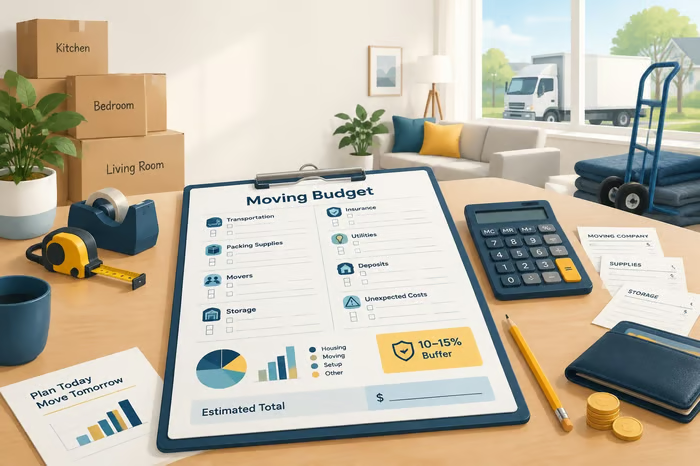
Moving can be exciting up to the time that the bills begin to pile up. In addition to the cost of the truck and movers, there are other expenses you might incur such as packing supplies. This honest budget will allow you to recognize those expenses before they turn into a stress. The following is how you can create a moving budget that works:
1. Start With the Full Cost
Keep in mind that your budget should not just be for the largest invoice, but for the entire moving experience. Then, locate a company like Ramar Transportation and inquire for a definite estimate and for any costs that are included in the price.
The first step is to make a list of all your expenses, in addition to moving day, before and after. Cover packing supplies, moving costs, workers, insurances, food, temporary storage, deposit on utilities, house cleaning and any related costs to the move to your new home.
2. Separate Fixed and Flexible Costs
Not all moving cost components allow the same amount of savings. Fixed costs can include a moving service, rental truck, or deposit to cover costs. Flexible costs can include boxes, meals, packing service assistance and optional costs.
This distinction is useful in determining where to cut back on the budget if it starts to run down. For instance, use boxes from the stores that are built and tough, pack your own items or make a move on a less costly day when you have the time.
3. Build a Budget before Booking
Make an easy table of three columns: the cost, the actual cost, and difference. Include a little extra safety buffer. This is because moving doesn’t always go as smoothly as we like. Unforeseen expenses can cost us even if we are well-prepared.
Check a list after acquiring quotes, instead of doing estimates. An overall view of the pricing for the different options can also show up a slightly more costly quote that you might require paying for any services that you would be required to pay for separately.
4. Choose Where to Save
Spending more doesn’t always mean that you have to get the lowest price. Prioritize the expenditure of services that will save your valuable time and give peace of mind. But find savings where it counts least.
De-cluttering no items to move before packing and moving date comparison to save should be considered. Giving away or selling items that you no longer use can also make much less quantity you need to take with you.
5. Prepare for the Final Bill
The moving budget shouldn’t stop once you reach your destination home. Set aside funds for cleaning, initial food, setting up utility bills, small repairs, etc.
Before moving day, make sure you’ve reviewed your budget and your most recent quotes and charges. The last review will allow you to identify the costs that are missing.
The bottom line is that the moving budget should be detailed enough to be used for decision making. However, it should be simple enough that it can be changed easily. Being aware of the full cost will help prepare for the move in a more predictable way. You don’t have to be as close to perfection as you may think. Be flexible on your budget as you see actual costs.