
A home doesn’t need a major renovation to feel more comfortable. Sometimes, the changes that make the biggest difference are the ones we barely think about until something goes wrong. A difficult-to-reach storage space, a sunny room that becomes unbearably hot in summer, or a gap along the bottom of a wall can all affect how a house looks and functions.
These details might not be at the top of a homeowner’s wish list, but they deserve attention. Practical improvements can make everyday tasks easier, help protect interior finishes, and allow you to use your available space more effectively. The trick is knowing which upgrades offer genuine value and which ones can wait.
From improving access to unused storage areas to creating shade outdoors and finishing interior rooms neatly, a few carefully chosen projects can make a home feel more thoughtfully designed.
Making Attic Storage Safer and More Accessible
Many homes have useful storage space above the ceiling, yet reaching it can be awkward. Boxes of holiday decorations, old photographs, suitcases, and seasonal clothing often end up in an attic because there’s nowhere else to keep them. Unfortunately, if access involves a shaky step stool or an improvised ladder, retrieving those belongings becomes a chore.
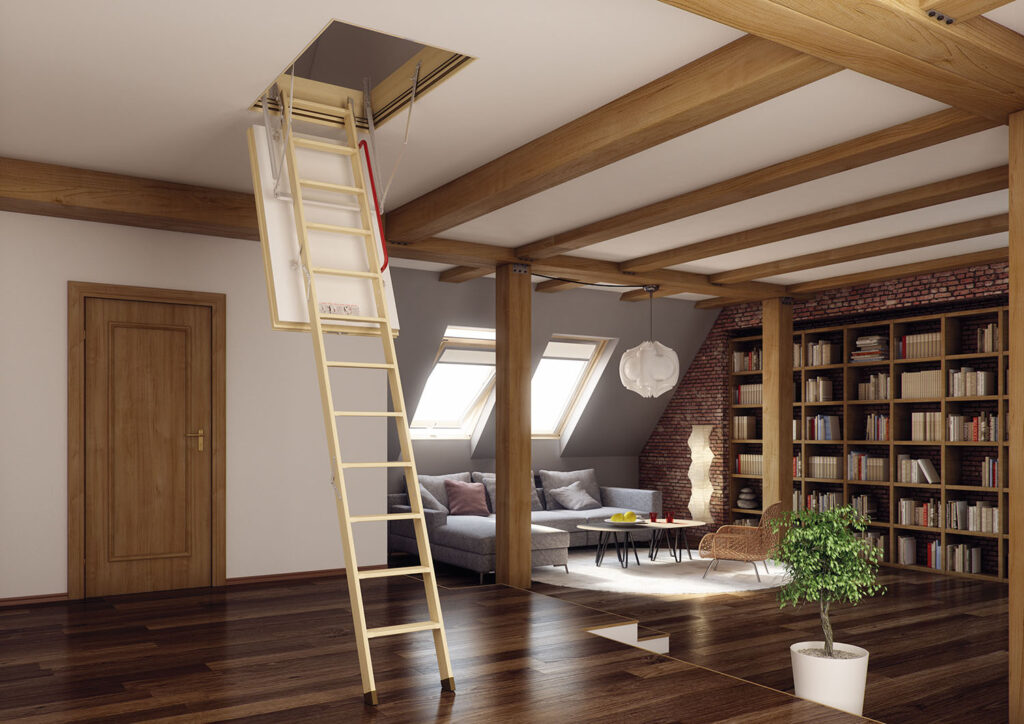
Installing suitable attic ladders can make this space easier to access without dedicating an entire room to storage. Folding and telescoping designs are available for different ceiling heights and opening sizes, allowing homeowners to choose an option that fits their property.
Before purchasing a ladder, measure the ceiling height, available floor space, and attic opening carefully. Check the product’s load rating, too. The ladder must support the intended user and any items being carried, while the surrounding structure needs to be suitable for the installation.
Safety matters more than convenience here. An attic floor isn’t necessarily designed to support a person’s weight everywhere, and loose insulation can hide ceiling joists or other hazards. A proper walkway and suitable lighting may be necessary if the space will be used regularly.
Insulation is another consideration. An attic opening can become a weak point in a home’s thermal envelope if it isn’t sealed properly. An insulated, well-fitting hatch can help reduce unwanted heat transfer, although the appropriate solution depends on the building’s construction and local requirements.
For homeowners who rarely use the attic, a simple folding ladder may be enough. Those who access it frequently might benefit from a more robust design and better storage organization. Either way, the aim is to make an existing space useful without compromising safety.
Creating Comfortable Outdoor Spaces With Shade
A patio or backyard can become one of the most enjoyable parts of a home, especially when there’s enough shade to escape the afternoon sun. But outdoor furniture doesn’t always stay comfortable when exposed to direct sunlight for hours, and intense heat can make even a lovely seating area difficult to use.
Well-chosen awnings offer a practical way to create shade over windows, patios, balconies, and outdoor dining areas. Depending on the design, they can also help limit direct sunlight entering the house, potentially reducing solar heat gain during warmer months.
There are several options to consider. Fixed awnings provide consistent coverage, while retractable models allow homeowners to adjust the amount of shade as conditions change. Manual systems are often straightforward, whereas motorized designs offer additional convenience.
Material selection deserves attention. Outdoor fabrics should be suited to sunlight, moisture, and local weather conditions. Frames and mounting hardware also need to withstand the expected wind exposure. A large awning can experience considerable force in strong winds, so secure installation and proper use are essential.
Think about the direction your home faces before making a decision. A west-facing window, for instance, may receive strong afternoon sunlight, while a covered patio might need protection throughout much of the day. Measuring the area and observing how the sun moves across it can help you select an appropriate size and placement.
Awnings aren’t a complete replacement for insulation, efficient windows, or other energy-saving measures. Still, when planned properly, they can improve outdoor comfort and help make rooms feel less exposed to direct sunlight.
Why Interior Finishing Details Matter
Walk into a newly finished room and you may immediately notice the flooring, wall color, or furniture. Yet smaller details often determine whether the space looks genuinely complete. Trim around walls, doors, and windows creates visual definition while covering certain gaps between adjoining surfaces.
Among these finishing elements, baseboards have a practical role as well as a decorative one. Installed along the bottom of interior walls, they help protect wall surfaces from scuffs, vacuum cleaners, furniture, and everyday foot traffic.
Baseboards are available in several materials, including wood, medium-density fiberboard, and various synthetic options. The right choice depends on the room, budget, desired appearance, and likelihood of moisture exposure. For bathrooms, laundry rooms, or other damp areas, material suitability is particularly important.
Height and profile can change the appearance of a room. Taller baseboards may complement higher ceilings and traditional interiors, while simpler profiles often suit contemporary spaces. There’s no universal rule, though. The best design is one that works with the home’s existing trim, flooring, and architectural character.
Installation quality matters just as much as appearance. Uneven walls and floors can leave visible gaps, while poorly joined corners may become obvious after painting. Careful measuring, appropriate fastening, and suitable caulking can produce a cleaner result.
Before replacing damaged trim, investigate any signs of moisture. Swollen boards, peeling paint, or discoloration may indicate a leak or dampness rather than ordinary wear. Installing new baseboards without addressing the underlying issue can lead to repeated repairs.
Planning Improvements Without Overspending
Home projects are easier to manage when there’s a clear idea of what needs attention first. Instead of tackling everything at once, make a short list based on safety, comfort, and the condition of existing materials.
For example, repairing water damage should generally take priority over replacing perfectly serviceable decorative trim. Likewise, improving attic access may be worthwhile if family members regularly struggle to retrieve stored belongings, while adding shade can make an otherwise underused patio more practical.
Set a realistic budget that includes materials, installation, and possible preparation work. Measurements should be confirmed before ordering products, especially when a project depends on a specific opening or mounting location.
For installations involving structural modifications, elevated work, or heavy fixtures, consider hiring a qualified professional. Ask for a written estimate that explains the work involved, the materials being supplied, and any relevant warranties.
It’s also wise to think about maintenance before committing to a design. Retractable awnings may require seasonal care, attic ladders need periodic hardware checks, and painted trim can need occasional touch-ups. A little planning helps avoid surprises later.
Building a Home That Works for You
The most useful home improvements aren’t necessarily the most expensive or dramatic. They’re the ones that solve everyday problems and make the property more comfortable to live in.
Better attic access can simplify storage, well-positioned awnings can make outdoor spaces more inviting, and carefully installed baseboards can protect walls while giving rooms a finished appearance. Each upgrade serves a different purpose, but all contribute to a home that feels more practical and better cared for.
Take time to consider how you actually use your space before deciding what to change. A thoughtful improvement, installed properly and maintained over time, can deliver value long after the initial work is finished. Sometimes, making a house feel more like home really does come down to getting the little things right.