
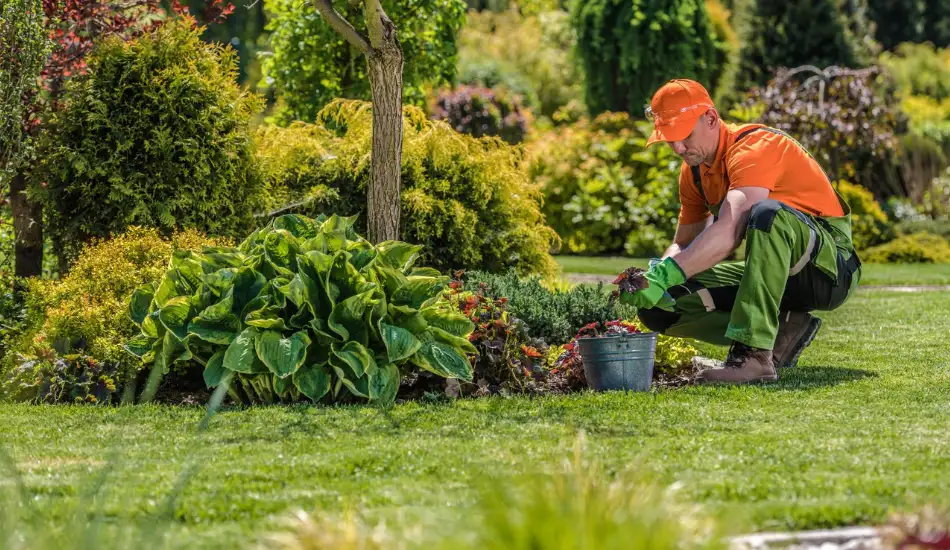
Planting trees and shrubs can be a rewarding endeavor, enhancing the beauty of your landscape, providing shade, and contributing to the environment. However, timing is crucial to ensure that these plants establish themselves well and thrive. Knowing the best time of year to plant trees and shrubs can make a significant difference in their success. This guide will help you determine the ideal planting times, considering various factors that influence plant growth and development.
Understanding Planting Seasons
The best time to plant trees and shrubs largely depends on your region’s climate and the type of plants you choose. Generally, there are two primary planting seasons: spring and fall. Each season offers unique advantages and considerations.
Spring Planting
Advantages:
- Extended Growing Season: Planting in spring gives trees and shrubs the advantage of a full growing season to establish roots before the winter cold arrives. This allows them to adapt to their new environment and become more resilient.
- Warmer Soil: As temperatures rise, soil warms up, promoting root growth and overall plant health.
- Extended Daylight: Longer daylight hours in spring support photosynthesis, aiding in the vigorous growth of newly planted trees and shrubs.
Considerations:
- Potential for Drought: In some regions, early spring can be dry, requiring additional watering to ensure plants get the moisture they need.
- Competition with Weeds: Spring is also a prime time for weed growth, which can compete with young plants for nutrients and water.
Fall Planting
Advantages:
- Cooler Temperatures: Fall offers cooler temperatures, which can reduce plant stress and make it easier for roots to establish. The cooler weather helps plants conserve moisture and energy.
- Moist Soil: Fall often brings more rainfall, which can keep the soil consistently moist, promoting better root development.
- Less Weeding: Weeds tend to slow down in fall, reducing competition for nutrients and water.
Considerations:
- Early Frosts: In colder regions, early frost can potentially damage newly planted trees and shrubs. Choosing plants that are hardy to your specific climate can mitigate this risk.
- Shorter Days: With shorter daylight hours, plants may grow more slowly compared to the spring season.
Regional Variations
The ideal planting time can vary based on your location and climate. Here’s a breakdown of planting times for different regions:
Temperate Regions
In temperate regions, such as much of the United States and Europe, both spring and fall are suitable times for planting. Fall planting is often preferred because it allows plants to establish roots during the milder winter months. However, spring planting is also effective, especially if the ground is not too wet or frosty.
Cold Climates
In colder climates with harsh winters, fall planting can be risky due to the potential for frost damage. For these regions, it’s generally better to plant in spring, once the ground has thawed and the risk of frost has passed. This gives plants a full growing season to establish themselves before facing winter.
Warm Climates
In warmer climates, where winters are mild and summers can be extremely hot, fall is often the best time to plant. The cooler fall temperatures are less stressful for young plants compared to the intense summer heat. Spring planting is also viable but may require more frequent watering to protect against summer drought.
Tips for Successful Planting
Regardless of the season you choose, following these tips can help ensure successful planting and growth:
- Choose the Right Plant: Select trees and shrubs that are well-suited to your climate and soil conditions. Consider their mature size, growth habits, and specific needs.
- Prepare the Soil: Ensure the soil is well-drained and rich in organic matter. Test the soil and amend it as needed to create the ideal environment for your plants.
- Dig a Proper Hole: Dig a hole that is twice as wide as the root ball and as deep as the root ball itself. This encourages roots to spread out and establish themselves.
- Water Thoroughly: Water the plants well after planting to settle the soil around the roots and eliminate air pockets. Continue to water regularly, especially during dry periods.
- Mulch: Apply a layer of mulch around the base of the plants to conserve moisture, suppress weeds, and regulate soil temperature.
Conclusion
Choosing the best time of year to plant trees and shrubs can greatly influence their success and growth. In general, spring and fall are the most favorable seasons, with fall being particularly advantageous in many regions due to cooler temperatures and increased moisture. However, regional climate and specific plant needs should also be considered.
By following the guidelines provided and selecting the appropriate planting time for your area, you can ensure that your trees and shrubs establish themselves effectively, leading to a healthier and more beautiful landscape. Whether you’re enhancing your garden or contributing to environmental conservation, proper timing and care will set the foundation for thriving plants for years to come.