Home Blog Page 2

It’s Just Water… Until It Isn’t: Rethinking What Flows Through Your Home

0

Most of us don’t think about water all that much. You turn on the tap, fill a glass, maybe rinse some vegetables, and move on. It’s background noise in the rhythm of daily life. But every once in a while, something shifts. The taste feels slightly off. Your skin feels tighter after a shower. There’s a faint residue on your kettle that wasn’t there before.

And suddenly, water isn’t just water anymore.

I remember the first time I noticed it myself — not dramatically, just a subtle change. Tea didn’t taste quite right. Soap didn’t rinse as easily. It wasn’t alarming, but it lingered. That’s the thing about water issues… they don’t always shout. They whisper, slowly, until you start paying attention.

Where It All Begins — Understanding What You’re Using

Before jumping to solutions, it makes sense to understand what you’re dealing with. And surprisingly, most people skip this step. We guess, assume, or rely on what we’ve heard from others.

That’s why a free water test can be such a useful starting point. It’s simple, often quick, and gives you real clarity. Instead of wondering whether your water has high mineral content, chlorine, or other impurities, you actually know.

It’s a bit like checking your health before starting a treatment. You wouldn’t take medication without knowing the issue, right? Water deserves that same level of attention, even if it doesn’t seem urgent at first.

The Subtle Problem of Hardness

Hard water is one of those things people live with for years without realizing it’s affecting them. It’s not dangerous, which is probably why it flies under the radar. But it does leave its mark — on your pipes, your appliances, even your skin.

Ever noticed that white, chalky buildup around taps or showerheads? That’s hardness showing up.

Switching to healthy soft water can make a surprisingly noticeable difference. Showers feel smoother. Soap lathers the way it should. Even your clothes seem to come out softer after a wash.

It’s not a dramatic, overnight transformation. More like a quiet upgrade to your daily routine. The kind you start to appreciate over time, especially when you realize how much effort you were putting in before — extra scrubbing, extra detergent, extra patience.

Taste — The Part We Often Ignore

Let’s be honest. Most of us don’t drink as much water as we should. And part of that, whether we admit it or not, comes down to taste.

If water has a slightly metallic or chemical flavor, you’re less likely to reach for it. You might switch to bottled drinks, flavored options, anything else that feels more appealing.

That’s where having great tasting water at home changes things in a subtle but important way. You don’t think twice before filling your glass. You stay hydrated without effort. Even something as simple as making tea or coffee feels more satisfying.

It’s one of those changes that doesn’t feel like a “solution” — more like a return to what water should have been all along.

More Than Just Drinking

Water doesn’t just go into your body. It touches almost everything else too.

You bathe in it. Wash your dishes with it. Clean your clothes. Over time, the quality of that water affects more than you might expect.

Hard or contaminated water can wear down appliances faster. It can leave residues that are hard to clean. It can even affect how your home smells — something you might not notice immediately, but definitely feel over time.

Fixing your water isn’t just about drinking safely. It’s about improving your entire living environment, one small detail at a time.

The Balance Between Simple and Smart

Here’s the tricky part — it’s easy to overcomplicate water treatment. There are so many systems, filters, and technologies out there that it can feel overwhelming.

But it doesn’t have to be.

Sometimes, a single well-chosen solution can make a big difference. Other times, it’s about combining a couple of approaches in a way that fits your home. The key is not chasing perfection, but finding what works for your specific situation.

And honestly, that’s enough.

Listening to the Signs

Water doesn’t usually come with warning labels, but it does leave clues.

  • Soap that doesn’t lather easily
  • Spots on dishes after washing
  • Dry skin or dull hair
  • A taste or smell you can’t quite ignore

These are small signals, but they add up. Paying attention to them is the first step toward making things better.

A Small Change That Stays With You

At the end of the day, improving your water isn’t about luxury or trends. It’s about comfort. About making your home feel just a little more right.

You might not notice the difference every single day. But over time, it becomes part of your normal — the way things should be.

And once you get used to that, it’s hard to go back.

Because when something as simple as water feels better, everything else quietly follows.
Finding Breathing Room in Your Garage Without Overhauling Everything

0

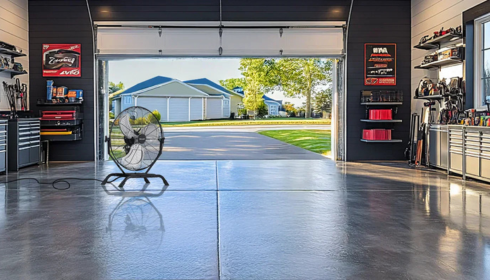
There’s a point, usually on a random afternoon, when you open your garage and just pause. Not because anything dramatic happened—but because it feels… crowded. Not in a chaotic, overwhelming way, just enough to notice that things aren’t working as smoothly as they should.

You shuffle a box, move a chair, maybe nudge aside something you haven’t used in months. And in that quiet moment, you realize the issue isn’t really about how much you own—it’s about how everything is arranged.

Look up, and there it is again. That empty ceiling space. Always there, rarely used.


The Shift From Managing Clutter to Understanding Space

Most of us spend years managing clutter instead of solving it. We buy bins, install shelves, maybe label a few things with good intentions. It helps, but only for a while.

Because the core problem remains—we keep stacking things around us instead of thinking above us.

That’s where systems inspired by garage smart solutions start to make sense. They’re not trying to reduce what you own. They’re simply asking: what if your storage didn’t have to live on the ground?

It sounds obvious, but it’s one of those ideas you don’t fully appreciate until you see it in action.


Why Floor Space Feels More Valuable Than Ever

There’s something underrated about having open floor space. It’s not just about aesthetics. It’s about movement, comfort, and even a bit of peace of mind.

A cluttered garage subtly slows you down. You step carefully, navigate around things, maybe avoid going in there unless necessary. It becomes a space you tolerate rather than enjoy.

Freeing up that space changes the experience entirely.

And this is where tools like mylifter quietly step in. Instead of competing for room on the floor, you begin relocating items overhead—keeping them accessible but out of the way. It’s not about hiding things. It’s about placing them better.


Convenience Is What Turns Ideas Into Habits

Let’s be honest—no one sticks with a system that feels like hard work. If storage requires too many steps, too much effort, or even a bit of risk, it slowly gets ignored.

That’s been the downside of traditional overhead racks. Yes, they create space, but they also require ladders, lifting, and a bit of patience.

With setups like my lifter, the whole experience becomes simpler. You bring items down when you need them and lift them back up when you’re done. No balancing acts, no awkward reaching.

It’s the kind of convenience that doesn’t just make life easier—it makes you actually use the system.


A Quiet Upgrade That Changes Daily Life

Not all improvements in a home are visible at first glance. Some don’t photograph well or impress visitors immediately. But they change how you interact with your space every single day.

Garage organization is one of those.

People who explore options like a garage smart lift often mention how their garage feels different—not bigger necessarily, but more functional. There’s a sense of order, a flow that wasn’t there before.

And once you get used to that feeling, it’s hard to go back.


Who Finds the Most Value in This?

It’s easy to assume this kind of system is only for packed garages or large households. But in reality, it’s just as helpful in smaller spaces.

Even if you don’t have a lot of stuff, the right storage approach can make your garage feel more usable. Seasonal items, tools, spare equipment—they all need a place, but not necessarily on the floor.

For families, the benefits multiply. Kids’ gear, holiday decorations, random “we’ll need this later” items—they add up quickly.

That’s where solutions like smarterhome lift systems come into play. They help separate what’s needed daily from what isn’t, without creating distance or inconvenience.


The Practical Things That Actually Matter

At the end of the day, it’s not about the concept—it’s about how well it works in real life.

Ease of use is key. If it’s complicated, it won’t last. Then there’s durability—you want something that can handle real storage needs, not just light items.

Safety also matters more than people think. Overhead systems should feel stable, controlled, and predictable. And finally, there’s integration—how easily it fits into your existing space without turning into a major project.

These details might not sound exciting, but they’re the difference between something you use every day and something you forget about after a few weeks.


A Different Way of Looking at Your Garage

What’s interesting is how a small shift in storage can change your entire perspective. You stop seeing your garage as a clutter problem and start seeing it as a flexible, usable area.

Maybe you finally park your car inside. Maybe you set up a small workbench. Or maybe you just appreciate not having to step around things every time you walk in.

It’s not about achieving perfection. It’s about creating ease.


Closing Thoughts That Feel Real, Not Forced

Most of us don’t wake up thinking about garage organization. It’s not a priority—until it becomes an inconvenience.

But when you start paying attention, you realize the solution isn’t always about adding more storage. Sometimes, it’s about using space differently.

That empty ceiling you’ve been ignoring? It’s been offering a solution all along.

And once you begin to use it, even in a small way, your garage starts to feel less like a storage zone and more like an extension of your home—one that actually works with you, instead of quietly working against you.

Choosing Marble and Travertine Tiles for Elegant and Durable Home Renovation

0

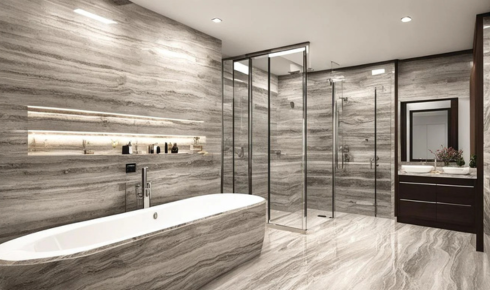
Home renovation is an exciting opportunity to transform living spaces into stylish and comfortable environments. One of the most effective ways to elevate the design and value of a home is by using natural stone materials. Among the most popular choices are marble and travertine tiles for home renovation, known for their timeless beauty, durability, and ability to create a luxurious atmosphere. Whether you are upgrading a kitchen, bathroom, or living area, natural stone tiles provide an elegant solution that blends classic charm with modern design.

Why Natural Stone Flooring Is Perfect for Modern Homes

Modern homeowners are increasingly looking for materials that combine aesthetics with long-term performance. luxury natural stone flooring for modern homes offers a perfect balance between beauty and functionality. Marble and travertine are both formed naturally over time, giving each tile a unique texture, pattern, and color variation that cannot be replicated by synthetic materials.

Marble is known for its smooth surface and sophisticated appearance, making it ideal for living rooms, hallways, and feature areas. Travertine, on the other hand, offers a warm, earthy texture that works well in both contemporary and rustic interiors. Together, these materials allow homeowners to design spaces that feel both luxurious and inviting.

Another advantage of natural stone flooring is durability. With proper care and sealing, marble and travertine tiles can last for decades while maintaining their elegance. This makes them a valuable long-term investment for homeowners seeking both style and practicality.

Ideal Tiles for Kitchens and Bathrooms

When renovating kitchens and bathrooms, selecting the right flooring and wall materials is essential. These areas experience high moisture levels and heavy usage, which means durability and resistance are important factors. Many homeowners choose the best marble and travertine tiles for bathrooms and kitchens because they combine resilience with visual appeal.

Marble tiles can create a sleek and polished bathroom design, especially when used for shower walls, countertops, and floors. Travertine tiles offer a slightly textured surface, which provides better grip and makes them a practical choice for wet areas. In kitchens, these natural stones can be used for backsplashes, flooring, and even countertops, adding warmth and sophistication to the space.

Another benefit is the versatility of design. Marble and travertine tiles are available in various finishes, including polished, honed, brushed, and tumbled. This allows homeowners to match the tiles with different interior styles, from minimalistic modern kitchens to luxurious spa-like bathrooms.

Nationwide Availability and Convenience

For many homeowners and contractors, finding reliable sources of premium materials is crucial. Today, it is easier than ever to purchase high-quality natural stone tiles shipped nationwide. Reputable suppliers offer a wide range of marble and travertine tiles in different sizes, colors, and finishes, making it convenient to select the perfect option for any project.

Nationwide shipping ensures that homeowners across the country can access premium natural stone materials without needing to visit multiple showrooms. Many suppliers also provide expert guidance, helping customers choose the right stone type, finish, and installation method for their specific renovation goals.

Choosing a Trusted Supplier

Selecting the right supplier plays a major role in ensuring quality and satisfaction. A trusted marble and travertine supplier in the USA will provide carefully sourced natural stones, competitive pricing, and professional customer support. Experienced suppliers typically offer a wide selection of premium materials, ensuring that homeowners, designers, and contractors can find the exact style needed for their renovation projects.

Additionally, reliable suppliers focus on quality control, ensuring that each tile meets high standards for durability and visual appeal. They may also provide design consultations, helping customers understand how different stones, colors, and patterns will work within their home’s interior layout.

Final Thoughts

Marble and travertine tiles remain among the most sought-after materials for modern home renovation projects. Their natural beauty, durability, and design versatility make them perfect for a wide range of applications, from elegant living rooms to functional kitchens and luxurious bathrooms. By choosing premium natural stone and working with a reputable supplier, homeowners can create stunning interiors that combine timeless elegance with long-lasting performance.

What Your Water Is Telling You: A Real-World Look at Hardness, Hidden Impurities, and Smarter Filtration

0

Most of us don’t think about water until it starts misbehaving.

It’s there when we brush our teeth, brew coffee, rinse vegetables, or unwind in the shower. It’s background noise — steady, dependable. But every now and then, something feels off. A cloudy glass. A faint metallic taste. Soap that just won’t lather the way it should.

Water has a quiet way of signaling when it needs attention.

When Minerals Leave Their Mark

One of the most common household water issues is hard water. It’s not dangerous. In fact, those dissolved minerals — mainly calcium and magnesium — occur naturally as water travels through soil and rock. But while they may be harmless to drink, they’re not exactly kind to plumbing.

Hard water leaves scale behind. It builds up around faucets and showerheads. It creeps into water heaters and dishwashers. Over time, that buildup can reduce efficiency and even shorten appliance lifespan.

You might notice towels feeling stiff after washing. Or spots on dishes that never quite disappear, no matter how careful you are with detergent. These are small annoyances, but they add up.

Addressing hardness often starts with testing. Once you know your mineral levels, you can decide whether softening makes sense for your home. For many families, reducing hardness isn’t about luxury — it’s about protecting the systems they rely on daily.

The Invisible Side of Water

Hardness is visible. Scale leaves clues.

But other water concerns aren’t so obvious.

Depending on your source — municipal or well — your water may contain trace levels of contaminants such as chlorine byproducts, iron, nitrates, or even organic compounds. Most public water systems follow strict safety standards, but “safe” doesn’t always mean optimized for taste or comfort.

Chlorine, for example, plays an important role in disinfecting water. Yet some homeowners notice its taste or smell. Iron can cause reddish staining. Sediment may cloud the water after heavy rains.

The key here isn’t panic. It’s awareness.

A proper water analysis provides clarity. Once you understand what’s present, solutions become targeted rather than speculative.

Why Filtration Isn’t One-Size-Fits-All

There’s a tendency to assume that one system can solve everything. But water treatment works best when it’s tailored.

If hardness is your main concern, a softener addresses mineral buildup. If chlorine taste bothers you, activated carbon can improve flavor. If sediment is visible, pre-filtration may be enough.

The goal is efficient filtration — not overcomplication.

Efficient systems remove what’s necessary without stripping water of beneficial properties or wasting excess resources. Modern filtration units are designed to operate with minimal maintenance and optimal flow rates, ensuring you don’t sacrifice water pressure in pursuit of purity.

And sometimes, less is more. A well-chosen filter can outperform an overly complex setup that requires constant upkeep.

The Balance Between Protection and Practicality

Improving water quality doesn’t mean turning your home into a laboratory. It means finding balance.

Start by identifying the problem. Notice patterns. Are appliances struggling? Is soap residue harder to rinse away? Does your drinking water taste inconsistent?

From there, testing provides direction.

Many homeowners are surprised to learn that their issues stem from one dominant factor rather than multiple hidden threats. Others discover minor imbalances that can be corrected with relatively simple adjustments.

Either way, decisions grounded in data feel better than guesses.

Maintenance: The Often-Ignored Factor

Installing a filtration or softening system isn’t the end of the story. It’s the beginning of a relationship with your water.

Filters need replacing. Salt needs refilling. Systems benefit from periodic inspections. Skipping maintenance won’t necessarily cause immediate failure — but performance may gradually decline.

The good news? Modern systems are designed to simplify this process. Indicator lights, reminder alerts, and straightforward cartridge replacements make upkeep manageable.

A little consistency goes a long way.

Long-Term Benefits You Might Not Expect

When water quality improves, the benefits ripple outward.

Appliances often run more efficiently. Heating elements remain cleaner. Plumbing components experience less wear. You may even find yourself using fewer cleaning products because soap performs better.

There’s also an environmental dimension. Reducing scale can lower energy consumption. Improving drinking water quality may reduce reliance on bottled water.

None of these changes are dramatic on their own. But over time, they accumulate.

Listening to Your Home

Your house has a way of communicating. Scale around fixtures. Reduced water pressure. Subtle changes in taste.

These aren’t nuisances to ignore. They’re information.

Instead of reacting only when something breaks, consider viewing water improvement as preventative care. Just as you service a car before it fails, you can optimize water systems before damage occurs.

It’s less stressful. And often less expensive.

Final Thoughts

Water doesn’t ask for attention, but it deserves a little of it.

Understanding the role of hardness, recognizing the presence of contaminants, and choosing efficient filtration tailored to your home can quietly transform daily routines.

You don’t need to chase every trend or install every available system. You simply need to know your water — and respond thoughtfully.

Because when your water works with you rather than against you, life feels just a bit smoother.

And sometimes, that small shift makes all the difference.

When Water Raises Questions: Understanding Odors, Disinfectants, and Hidden Contaminants at Home

0

Water is supposed to be neutral. Clear. Odorless. Unremarkable.

That’s why it catches your attention when it isn’t.

Maybe there’s a faint smell when you turn on the tap first thing in the morning. Maybe your shower carries a subtle scent that reminds you of a public pool. Or perhaps you’ve read something online about microbes in well water and can’t quite shake the thought.

The reality is this: water isn’t static. It travels through treatment plants, pipes, soil, and storage tanks before reaching your glass. Along the way, it can pick up minerals, disinfectants, or naturally occurring elements. Most of the time, those additions are harmless—or even intentional.

But understanding what’s in your water helps you respond calmly instead of reactively.

When Microbes Become a Concern

Let’s start with one of the more anxiety-inducing topics: bacterial contaminants.

In municipal systems, water is treated specifically to eliminate harmful bacteria before it reaches homes. Regular testing ensures compliance with safety standards. Outbreaks are rare—and when they occur, public notifications typically follow quickly.

Private well owners, however, don’t have that centralized oversight. Groundwater can occasionally carry bacteria from surface runoff, nearby septic systems, or animal activity. That doesn’t mean well water is unsafe by default—it simply means testing is your responsibility.

Annual microbial testing for wells is a practical habit. It doesn’t take long, and it offers reassurance. If bacteria are detected, solutions such as UV purification or chlorination systems can address the issue effectively.

Knowledge here is power—not panic.

The Smell That Doesn’t Belong

If you’ve ever turned on your faucet and caught a whiff of something unpleasant, you know how unsettling it can feel.

Certain naturally occurring gases—like hydrogen sulfide—can produce a rotten egg odor in water. This is more common in well systems and typically forms when organic material interacts with sulfur in groundwater.

The smell may intensify in hot water if bacteria inside the water heater contribute to the reaction.

The key thing to remember? Odor doesn’t always equal danger. Often, it’s an aesthetic issue rather than a health one. Aeration systems, oxidation filters, or water heater maintenance can eliminate the smell entirely.

But again, testing confirms the source. Guessing rarely solves the problem efficiently.

The Pool-Like Taste in Tap Water

If you live in a city, you’re likely familiar with the faint chemical scent of treated water. That’s usually due to chlorine, a disinfectant added intentionally to prevent harmful microbes from growing in distribution systems.

It plays an important role in public health. Without disinfectants, waterborne illnesses would be far more common.

That said, not everyone enjoys the taste or smell. Carbon filtration systems can reduce chlorine’s presence at the tap, improving flavor without compromising safety.

Seasonal variations sometimes increase chlorine levels slightly, especially after heavy rains or infrastructure maintenance. That’s normal—and typically temporary.

It’s worth noting that what smells strong to one person may barely register to another. Sensitivity varies.

Municipal vs. Well Water: Different Responsibilities

Where your water comes from shapes your approach.

Municipal water undergoes centralized treatment and testing. Annual water quality reports provide transparency about detected contaminants and treatment methods. If something exceeds guidelines, public notification systems are triggered.

Well water bypasses that process. It’s private, independent, and free from municipal additives—but also unmonitored unless you test it yourself.

Neither system is inherently superior. They simply require different levels of engagement.

Practical Steps for Peace of Mind

If you’re unsure about your water quality, start simple.

  • Request or review your municipality’s annual water report.
  • Schedule professional testing if you rely on a well.
  • Install point-of-use carbon filters if taste and odor bother you.
  • Flush water heaters periodically to reduce sediment and odor buildup.
  • Clean faucet aerators to eliminate trapped debris.

These small actions often resolve minor concerns without dramatic intervention.

Avoiding Information Overload

It’s easy to fall down an internet rabbit hole about water quality. Headlines can make rare scenarios feel common. Forums sometimes amplify isolated issues.

A balanced approach works best. Use credible sources. Consult professionals when necessary. Test before installing expensive equipment.

Water safety in most developed regions is closely monitored. That doesn’t mean complacency—it means informed attention.

The Emotional Layer of Water

Water is intimate. It’s what you give your children. It’s what you cook with. It’s what you bathe in.

So when something feels off, it’s natural to worry.

But most water concerns are solvable—and often less dramatic than they first appear.

Understanding the basics of bacteria, natural gases, and disinfectants shifts you from uncertainty to clarity.

Final Thoughts

Water doesn’t need to be mysterious. It’s measurable. Testable. Treatable.

Whether you’re addressing bacteria in a well system, neutralizing odor-causing gases, or filtering chlorine taste from municipal supply, solutions exist.

Start with information. Confirm with testing. Choose targeted treatment if necessary.

And remember—clean water should feel reassuring, not intimidating.

Sometimes the most powerful step isn’t installing a new system.

It’s simply understanding what’s already flowing from your tap.

Reimagining the Place You Call Home: Why Thoughtful Renovation Changes Everything

0

There’s a strange moment that happens in long-lived homes. You walk through the hallway you’ve walked through a thousand times, glance at the walls, the flooring, the light filtering in through familiar windows—and something feels slightly off. Not broken. Not dramatic. Just… outdated. Or disconnected from who you are now.

Homes age, sure. But more often, it’s we who change.

Careers shift. Families grow. Hobbies evolve. The house that once fit perfectly can start to feel like a jacket that’s a size too small—or maybe just the wrong style altogether. That’s usually when the idea of renovation quietly enters the conversation.

Not to impress the neighbors. Not to chase a design trend. But to make the space feel aligned again.

Renovation Isn’t Just Construction—It’s Personal

A thoughtful custom home renovation isn’t about tearing down walls for the sake of drama. It’s about reshaping space around real life.

Maybe the kitchen is isolated from the living room, making gatherings feel disconnected. Maybe a spare bedroom sits unused while you’re working from the dining table every day. Or maybe the layout simply doesn’t flow the way modern living demands.

Renovation, when done intentionally, addresses these friction points. It asks: How do you live? How do you want to live? And what physical changes would support that vision?

Sometimes that means removing walls. Other times, it’s subtle—expanding a doorway, repositioning windows, or adding smarter storage. The beauty of custom work is flexibility. It’s tailored, not templated.

And that’s where it starts to feel meaningful.

Design That Reflects Who You Are

Once structural changes are considered, attention shifts toward atmosphere. Materials. Colors. Lighting. Texture.

This is where interior design moves from surface-level styling into something more layered. It’s not just about choosing a paint color that’s trending on social media. It’s about understanding how tones influence mood, how natural light interacts with finishes, and how furniture placement affects movement.

A well-designed home doesn’t shout. It feels cohesive. Intentional. Comfortable.

Think about how different spaces affect your mindset. A cluttered room can feel overwhelming. A bright, airy space feels calming. Warm wood tones create comfort. Cool tones can create clarity.

Good design doesn’t fight the architecture—it enhances it.

Planning Is the Quiet Hero

Here’s something many homeowners underestimate: renovation success hinges on preparation.

Solid project planning prevents budget blowouts, timeline delays, and unnecessary stress. It’s the blueprint behind the beauty.

Planning means defining scope clearly. Deciding where to invest and where to simplify. Anticipating structural challenges, especially in older homes. Building in a contingency buffer for surprises—because there are almost always surprises.

It also means aligning expectations. Clear communication between homeowners, designers, and contractors reduces misunderstandings down the road.

The projects that feel smooth often aren’t simpler—they’re better organized.

Budgeting With Clarity, Not Fear

Renovation budgets can feel intimidating. Costs vary widely depending on materials, labor, and the complexity of changes.

But budgeting doesn’t have to feel overwhelming.

Start by identifying priorities. Is expanding living space more important than high-end finishes? Would energy-efficient upgrades provide long-term savings? Is resale value part of the equation?

Sometimes investing more upfront saves money later. Other times, restraint keeps the project grounded.

The key is clarity—not impulse.

The Emotional Impact of Space

What often surprises people is how deeply renovation affects emotional well-being.

When a space functions smoothly, stress decreases. Morning routines become easier. Entertaining feels less chaotic. Even downtime feels more restorative.

It’s subtle. But real.

I’ve seen families who avoided hosting gatherings suddenly open their doors again after a renovation. I’ve watched homeowners rediscover rooms they once ignored.

A house that fits your lifestyle doesn’t just look better—it feels better.

Trends vs. Timelessness

There’s always temptation to follow design trends. Bold tile patterns. Dramatic lighting fixtures. Statement walls.

Trends can be inspiring, but they shouldn’t dominate decision-making. A home should feel relevant five or ten years from now—not just today.

Timeless elements—natural materials, balanced proportions, thoughtful lighting—age gracefully. Trend-driven accents can be layered in without overwhelming the foundation.

Balance matters.

Renovation as Reinvention

At its core, renovation is about possibility.

It’s the opportunity to adapt rather than relocate. To reshape rather than start over.

Sometimes moving makes sense. But often, the bones of a home are solid. They just need refinement. Reimagining.

And there’s something satisfying about honoring a home’s history while updating it for modern life.

Final Thoughts: Making Space for Who You’ve Become

Homes aren’t static. They evolve alongside us.

A renovation done thoughtfully isn’t about perfection. It’s about alignment—between space and identity.

When your home reflects who you are today, something shifts. Rooms feel lighter. Routines feel easier. There’s less friction in everyday life.

And maybe that’s the real goal—not just a prettier house, but a place that supports the way you live now.

Because at the end of the day, renovation isn’t just construction.

It’s transformation.

Why Clean Water Matters More Than We Realize — At Home and at Work

0

It’s easy to take water for granted. You turn the tap, it runs. You fill a glass, brew your coffee, wash your hands, and move on with your day. Most of us rarely stop to think about what’s actually flowing through those pipes — until something feels off. A strange taste. A lingering odor. Scale on faucets that won’t scrub away.

Water has a quiet presence in our lives. It doesn’t ask for attention. But it touches everything.

From the way your skin feels after a shower to the performance of heavy-duty equipment in a factory, water quality shapes more than we notice. And when it’s not right, the ripple effects can be surprisingly wide.


The Everyday Reality of Residential Water

At home, water is personal. It’s what your kids drink after soccer practice. It’s what you cook pasta in on a Wednesday night. It’s what fills the tub after a long day when you just need to soak and breathe.

That’s why residential water systems have become more common — and more sophisticated — in recent years. Homeowners aren’t just looking for “safe enough.” They want water that tastes good, feels good, and protects their plumbing at the same time.

Hard water, for instance, can cause soap to lather poorly and leave mineral buildup inside pipes. Chlorine, while necessary for disinfection in municipal supplies, can create an unpleasant aftertaste. Sediment may cloud your glass or clog fixtures over time.

A well-designed home system can address these concerns with targeted filtration, softening, or even multi-stage treatment. It’s not about chasing perfection. It’s about improving the small daily experiences that add up.

There’s something deeply satisfying about pouring a glass straight from the tap and not thinking twice about it.


When Water Quality Impacts Business

Now shift the scene. Picture a restaurant kitchen during dinner rush. A hotel laundry room running nonstop. A manufacturing facility relying on precision equipment. Water quality here isn’t just about taste — it’s about performance, efficiency, and reputation.

That’s where commercial water solutions come into play. Businesses depend on consistent water quality to keep operations running smoothly. In restaurants, filtered water can enhance the flavor of beverages and protect ice machines from scale buildup. In healthcare facilities, high standards of purification are essential. In industrial settings, untreated water can damage machinery and increase maintenance costs.

The stakes are higher, and so are the systems.

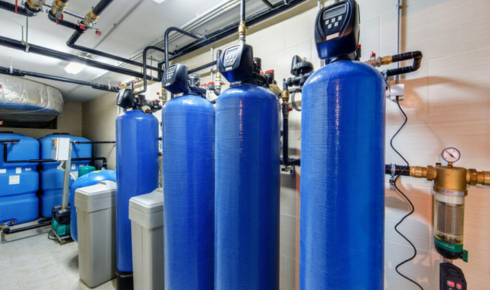
Commercial setups often include larger-scale filtration units, softening systems, or reverse osmosis technology designed to handle heavy demand. They’re engineered not only for purity but for durability and efficiency.

It’s interesting how water — something so ordinary — becomes such a critical business asset. When it works properly, no one notices. When it doesn’t, the consequences are immediate.


Clean Water Isn’t a Luxury

We throw the phrase around casually, but clean water is more than a marketing term. It’s foundational. It’s health, comfort, productivity, and sustainability all rolled into one.

In homes, it can mean fewer skin irritations, longer-lasting appliances, and less reliance on bottled water. In businesses, it can mean reduced downtime, better product quality, and improved customer satisfaction.

But achieving cleaner water doesn’t always require complex systems. Sometimes it starts with something simple — a water test. Understanding what’s actually in your water helps guide the solution. There’s no point installing equipment you don’t need, and there’s equal risk in ignoring an issue that could escalate.

Testing provides clarity. From there, treatment becomes intentional rather than reactive.


The Environmental Side of Better Water

There’s another layer to this conversation, one that’s easy to overlook. When water quality improves at the source, waste often decreases.

Think about how many plastic bottles are purchased because tap water doesn’t taste appealing. Or how frequently appliances need replacing because of mineral damage. Improving water quality at home or in a business can reduce both.

Filtration systems have come a long way. Modern designs focus on efficiency — minimizing water waste, extending filter life, and optimizing energy use. For businesses especially, sustainable water practices can align with broader environmental goals.

It’s not about perfection. It’s about incremental improvement. Small adjustments that lead to long-term gains.


Choosing the Right Approach

No two properties are the same. A downtown apartment may face different challenges than a rural farmhouse relying on well water. A coffee shop’s needs will differ from a manufacturing plant’s.

The key is customization. Understanding water source, usage patterns, and specific concerns allows for a solution that fits — not something generic or oversized.

For homeowners, that might mean installing a softener combined with carbon filtration. For a business, it could involve a high-capacity reverse osmosis system paired with pre-treatment filters.

And here’s the thing: good systems don’t need constant babysitting. With proper installation and routine maintenance, they quietly do their job in the background. Filters get replaced on schedule. Components get inspected. Life goes on.


A Subtle but Powerful Upgrade

It’s funny how we invest so much thought into things we can see — flooring, paint colors, lighting fixtures — yet overlook the water running through our walls.

Improving water quality doesn’t transform your home in a dramatic, Instagram-worthy way. It’s quieter than that. It shows up in the taste of your morning coffee. The way your skin feels. The smooth operation of your dishwasher. The reliability of equipment in a business setting.

It’s subtle. But it’s powerful.

Water is constant. It’s woven into daily routines, professional operations, and personal moments. Ensuring it’s treated thoughtfully — whether through home systems or commercial installations — is less about luxury and more about care.

The Work Behind the Walls: Why Smart Electrical Planning Makes All the Difference

0

Description: A thoughtful look at why proactive electrical maintenance, strategic planning in new builds, and strong coordination keep homes and commercial spaces running safely and efficiently for years to come.

There’s something quietly powerful about a well-functioning electrical system. You don’t see it. You barely think about it. But it’s there—behind walls, above ceilings, beneath floors—keeping everything humming along.

Until it doesn’t.

A flicker in the lights. A breaker that trips more often than it should. A strange buzzing sound near the panel. These little moments have a way of creeping into your day, tapping you on the shoulder. They’re reminders that electricity, for all its invisibility, demands attention.

And honestly, it deserves it.

The Value of Paying Attention Before Something Breaks

Most people wait until there’s a problem. That’s human nature. If the lights are on and the outlets work, we assume everything’s fine. But electrical systems age. Connections loosen. Panels get overloaded as we add more devices and appliances over the years.

That’s where electrical maintenance quietly earns its keep.

Regular inspections and tune-ups can catch issues long before they become emergencies. Think of it like servicing your car. You wouldn’t wait for the engine to fail before checking the oil. The same logic applies here.

Maintenance might involve tightening connections, testing breakers, checking grounding systems, or ensuring circuits aren’t running too close to capacity. It’s not flashy work. No dramatic before-and-after photos. But it keeps things safe. And safety, especially when it comes to electricity, isn’t optional.

I’ve spoken to property owners who admitted they hadn’t looked at their electrical panel in years. It’s understandable. It’s tucked away in a garage or utility closet. Out of sight, out of mind. But routine checks can prevent overheating, reduce fire risks, and even improve energy efficiency. Over time, that kind of diligence pays off in both safety and savings.

Building It Right from the Start

Now, if maintenance is about preserving what you have, building from scratch is about getting it right the first time.

When it comes to new construction wiring, the decisions made early on shape everything that follows. Outlet placement. Lighting design. Circuit allocation. Panel capacity. These choices aren’t just technical—they affect how a space feels and functions every single day.

I’ve walked through newly built homes where you could tell the wiring was thoughtfully planned. Light switches placed intuitively. Plenty of outlets where you’d actually need them. Dedicated circuits for heavy appliances. It’s subtle, but it makes life smoother.

On the flip side, I’ve seen brand-new properties where corners were cut. Too few circuits. Minimal panel capacity. No allowance for future upgrades like EV chargers or solar panels. It might pass inspection today, but it doesn’t leave room to grow.

That’s the thing about electrical planning: it should anticipate tomorrow, not just satisfy today.

Commercial projects raise the stakes even higher. Offices, retail spaces, warehouses—they require careful load calculations and coordination with HVAC, security, and IT systems. If wiring isn’t aligned with operational needs, productivity suffers. And in business, downtime costs real money.

The Coordination Nobody Talks About

Behind every successful electrical installation is strong project management. It’s not a term people associate with wiring, but it’s crucial.

Electrical work doesn’t happen in isolation. It intersects with plumbing, structural framing, drywall, and finishing trades. Timing matters. Communication matters. If one step falls behind, the entire schedule can shift.

A skilled project manager ensures electricians know when to run conduit before walls close, when to coordinate with HVAC installers, and when inspections need to be scheduled. It sounds procedural—and it is—but it’s also what keeps projects from spiraling into chaos.

In renovations especially, surprises are almost guaranteed. Hidden wiring. Outdated systems. Structural limitations. Good coordination allows teams to adapt without derailing the whole job.

And there’s another layer: budgeting. Electrical systems can become expensive if scope isn’t clearly defined from the beginning. Strong management keeps expectations aligned, minimizes change orders, and prevents that sinking feeling when costs suddenly balloon.

It’s About More Than Compliance

Of course, there are codes and regulations to follow. Permits to secure. Inspections to pass. But good electrical work goes beyond simply meeting requirements.

It’s about creating systems that feel seamless. Lighting that complements the space. Panels that are organized and labeled clearly. Circuits that don’t strain under everyday use.

Electricity should support life quietly, not demand attention through constant disruptions.

And as technology evolves—smart homes, automation, renewable energy integration—the need for thoughtful planning only increases. The electrical backbone of a building now carries more responsibility than ever before.

A Long-Term Perspective

I sometimes think of electrical systems as the nervous system of a building. You don’t see it, but it connects everything. When it’s healthy, the entire structure functions smoothly.

Taking a long-term perspective—through regular maintenance, smart construction planning, and strong coordination—creates resilience. It reduces emergencies. It extends system lifespan. It builds confidence.

Because when the lights switch on without hesitation, when equipment runs without strain, when you’re not worrying about what’s happening behind the walls—that’s peace of mind.

Why Clean Water at Home Feels Like an Invisible Luxury You Don’t Notice—Until You Do

0

Most of us don’t really think about water. It’s just… there. You turn a tap, it flows. You fill a glass, boil it for tea, rinse vegetables, run the shower—routine stuff, nothing dramatic. And yet, the moment something feels off, even slightly, you suddenly realize how deeply water affects everyday life.

Maybe it starts small. A faint metallic taste. A strange smell when hot water runs. Dry skin that lotion never seems to fix. These little annoyances tend to creep in quietly, and because they happen gradually, people often assume they’re normal.

But here’s the truth—water quality plays a much bigger role in comfort and health than most homeowners realize.

The Subtle Shift Toward Smarter Water Living

There’s been a quiet trend over the past few years. Not flashy or heavily advertised like smart TVs or voice assistants, but steady and meaningful. People are paying closer attention to their home water systems.

It’s partly because of awareness—more discussions around pollution, aging infrastructure, and environmental changes. But it’s also because technology has evolved in ways that make water management surprisingly simple.

A modern smart water system doesn’t just filter water; it monitors usage patterns, detects irregular flow, and sometimes even alerts homeowners before problems escalate. It’s a bit like having a silent caretaker working in the background.

And honestly, once installed, many people forget it’s even there—which, ironically, is the best sign that it’s doing its job well.

When “Looks Clear” Isn’t Enough

One of the biggest misconceptions about water is that clarity equals cleanliness. If water looks transparent and doesn’t smell strongly, people assume it’s perfectly safe.

But water can contain invisible impurities—dissolved minerals, microscopic particles, or chemical residues—that aren’t noticeable through sight or smell alone.

This is where a simple water quality test becomes incredibly valuable. It’s not complicated or invasive, yet it provides a surprisingly detailed snapshot of what’s actually present in your water supply.

Homeowners who test their water often describe a moment of quiet shock—not because the results are always alarming, but because they realize how much they never questioned before.

It’s a bit like getting a health check-up. You might feel fine, but understanding what’s happening beneath the surface brings clarity—and sometimes peace of mind.

The Reality of Hidden Contaminants

Water travels a long journey before reaching your home. Along the way, it passes through pipes, storage tanks, treatment facilities, and natural environments. Each stage introduces potential variables that can affect quality.

Some contaminants are harmless in small amounts, while others can cause long-term issues—affecting not just drinking water, but also skin health, appliance performance, and plumbing systems.

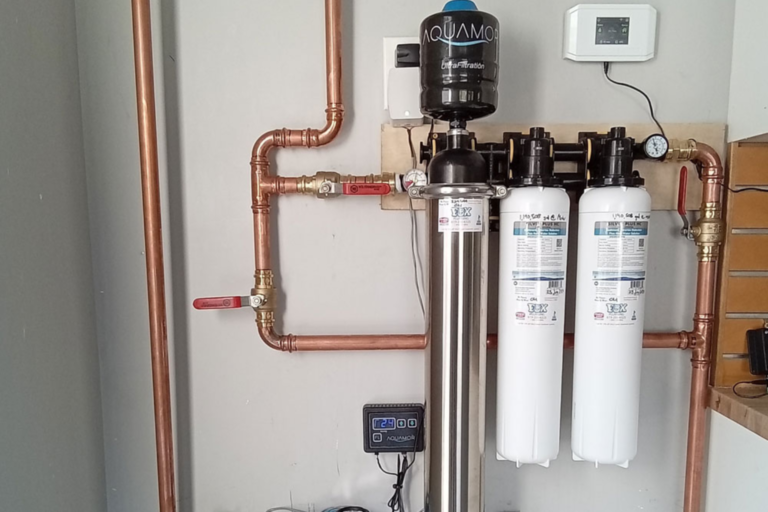
That’s why many households are exploring advanced filtration designed specifically for water contaminants removal. These systems target a wide range of impurities, from sediments and chlorine to heavy metals and chemical residues.

The result isn’t just safer water—it’s smoother, more pleasant water. The kind that tastes clean without effort and feels gentle during daily use.

The Everyday Impact You Don’t Expect

It’s interesting how quickly people adapt to improved water quality. After installation or filtration upgrades, homeowners often describe subtle changes that slowly become normal.

Laundry feels softer. Dishes rinse cleaner. Hair becomes less brittle. Cooking flavors improve slightly, almost imperceptibly, but noticeably over time.

These aren’t dramatic transformations. They’re small, consistent improvements that quietly enhance daily routines.

And maybe that’s why they matter so much.

The Emotional Side of Water Comfort

We don’t usually talk about water in emotional terms, but it’s deeply connected to our sense of security.

Think about it—clean water supports health, protects home infrastructure, and reduces the mental load of worrying about hidden risks. It provides reassurance that something essential in life is stable and reliable.

That kind of quiet confidence isn’t flashy. But it’s incredibly valuable.

Why Prevention Always Wins

One of the biggest lessons homeowners learn is that proactive water management is far easier—and far cheaper—than reactive repairs.

Testing water early, installing proper filtration, and monitoring system performance can prevent a long list of future issues. From plumbing damage to health concerns, prevention saves time, money, and stress.

It’s not about chasing perfection. It’s about avoiding unnecessary complications.

A Quiet Upgrade That Changes Everything

Unlike visible home renovations, improving water systems doesn’t change how your house looks. There’s no new décor to admire or dramatic before-and-after photos.

Instead, the impact shows up in daily life. Better-tasting drinks. Reduced maintenance hassles. Greater peace of mind.

And over time, those quiet improvements add up.

The Power of Simple Awareness

At its core, managing water quality isn’t complicated. It starts with awareness—understanding what flows through your home and how it affects everyday living.

Once people take that first step, whether through testing or upgrading systems, they often discover something unexpected: clean, reliable water doesn’t just support physical health.

When the Heat Goes Quiet: Why Your Home’s Warmth Deserves More Attention Than You Think

0

There’s a particular kind of silence that settles into a house when the heating system stops working. It’s not dramatic. No alarms. No flashing lights. Just a steady drop in temperature and that faint, creeping discomfort that makes you reach for an extra sweater.

Most of us don’t think about our heating systems until they fail us. They hum in the background, doing their job, quietly keeping winter at bay. But the truth is, the warmth in your home isn’t just about comfort. It’s about health, energy efficiency, long-term savings, and honestly, peace of mind.

And when that warmth falters, you realize just how much you depend on it.

The Moment You Know Something’s Off

Maybe it starts with uneven temperatures. The living room feels cozy, but the bedrooms are chilly. Or you hear a strange rattling noise that wasn’t there before. Sometimes it’s a sudden spike in your energy bill that makes you raise an eyebrow.

That’s when homeowners start searching for heating repair — not because they want to, but because they have to.

The key thing most people don’t realize is that small issues rarely stay small. A clogged filter, a worn-out blower motor, or a thermostat glitch can gradually strain the entire system. What could’ve been a minor service call turns into a major component replacement if ignored long enough.

Timely repairs don’t just restore warmth. They protect your investment. A well-maintained heating system can last 15 to 20 years. Neglected? You might be looking at replacement much sooner.

And no one enjoys that surprise.

Why Quick Fixes Aren’t Always the Answer

It’s tempting to try a DIY approach. YouTube makes everything look manageable. Replace a part here, tighten a screw there. Sometimes that works — if the issue is minor and you genuinely know what you’re doing.

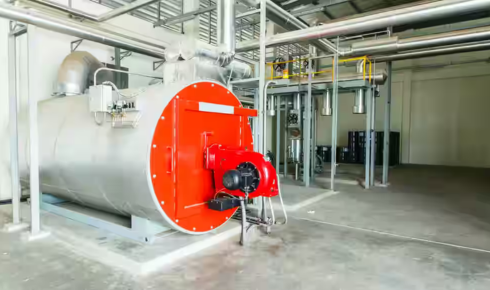
But heating systems are more complex than they appear. Gas furnaces, heat pumps, boilers — they involve electrical components, fuel lines, ventilation systems. One wrong adjustment can reduce efficiency or even create safety risks.

Professional diagnosis often reveals underlying problems homeowners never see. A technician doesn’t just “fix the noise.” They check airflow, inspect heat exchangers, test ignition systems, measure carbon monoxide levels. It’s a full-picture approach.

And that’s where real value lies.

When Repair Isn’t Enough

There comes a point when repair after repair starts to feel like patching an old coat that’s lost its lining. If your system is over 15 years old, needs frequent servicing, or struggles to maintain consistent heat, it may be time to consider something bigger.

That’s where heating installation enters the conversation.

A new system isn’t just about replacing old equipment. It’s about upgrading how your home performs. Modern heating units are dramatically more efficient than models from even a decade ago. Higher AFUE ratings mean more of the fuel you pay for actually turns into heat — not wasted energy.

And here’s something people often underestimate: the right installation makes all the difference. An oversized unit will cycle on and off too frequently. An undersized one will run constantly and still leave rooms cold. Proper sizing, duct inspection, airflow balancing — these details determine how well your system performs long after installation day.

Done right, you feel the difference immediately.

Comfort Isn’t Just About Temperature

We talk about warmth as if it’s only about degrees on a thermostat. But comfort runs deeper than that.

It’s waking up on a January morning and not bracing yourself before stepping out of bed. It’s knowing your kids aren’t sleeping in a drafty room. It’s hosting friends during the holidays without worrying whether the house feels chilly.

Reliable heating supports indoor air quality too. Modern systems filter out dust and allergens more effectively. Balanced airflow reduces dry spots and condensation issues. Everything works together.

In many ways, investing in your heating system is investing in your everyday experience at home.

Energy Efficiency: The Quiet Financial Win

Let’s talk numbers for a second — but not in a boring way.

Older heating systems can operate at 60–70% efficiency. That means 30–40% of what you’re paying for literally disappears as wasted energy. Newer systems often exceed 90% efficiency. Over time, that difference shows up clearly on your utility bills.

It’s not just about saving money either. Reduced energy use means a smaller environmental footprint. Lower emissions. Less strain on natural resources. If sustainability matters to you (and it should), upgrading your heating system is a meaningful step.

And with various rebates and incentives often available for high-efficiency systems, the financial gap between repairing endlessly and upgrading isn’t as wide as people assume.

The Emotional Side of a Warm Home

There’s something deeply reassuring about a house that feels warm and steady. It’s subtle, but it affects your mood. Cold spaces can feel uninviting, almost stressful. Warmth encourages relaxation.

When homeowners invest in reliable systems, they’re not just fixing machinery. They’re shaping what I like to call new home comfort — that feeling of security and ease when your living space truly supports you.

It’s hard to quantify, but you know it when you feel it.

Choosing the Right Professionals

Not all service providers are created equal. Look for licensed, insured technicians with solid local reputations. Read reviews. Ask questions. A good contractor won’t rush you into decisions. They’ll explain your options clearly — repair versus replacement, standard efficiency versus high efficiency, upfront costs versus long-term savings.

Transparency matters.

And if someone gives you a quote without inspecting your ductwork or asking about your home’s size and insulation? That’s a red flag.

Maintenance: The Part People Forget

Even the best system needs care. Annual inspections keep everything running efficiently. Simple tasks like replacing filters every one to three months can significantly improve airflow and reduce strain on components.

Think of it like regular checkups for your car. Preventive maintenance costs far less than emergency breakdowns.

And honestly, there’s something satisfying about knowing you’re ahead of potential problems instead of reacting to them in the middle of winter.

Final Thoughts

Heating systems don’t usually get attention until they demand it. But if you step back, they’re one of the most essential parts of your home. They influence comfort, health, finances, and even emotional well-being.

Whether you’re scheduling a repair, planning a system upgrade, or simply trying to understand your options, the goal remains the same: a warm, reliable home that supports your life without drama.

Because when the cold hits, you shouldn’t be wondering whether your heat will keep up.

You should just feel comfortable — and not think about it at all.